
Waste Profiling and Disposal Planning Built on Defensible Material Information
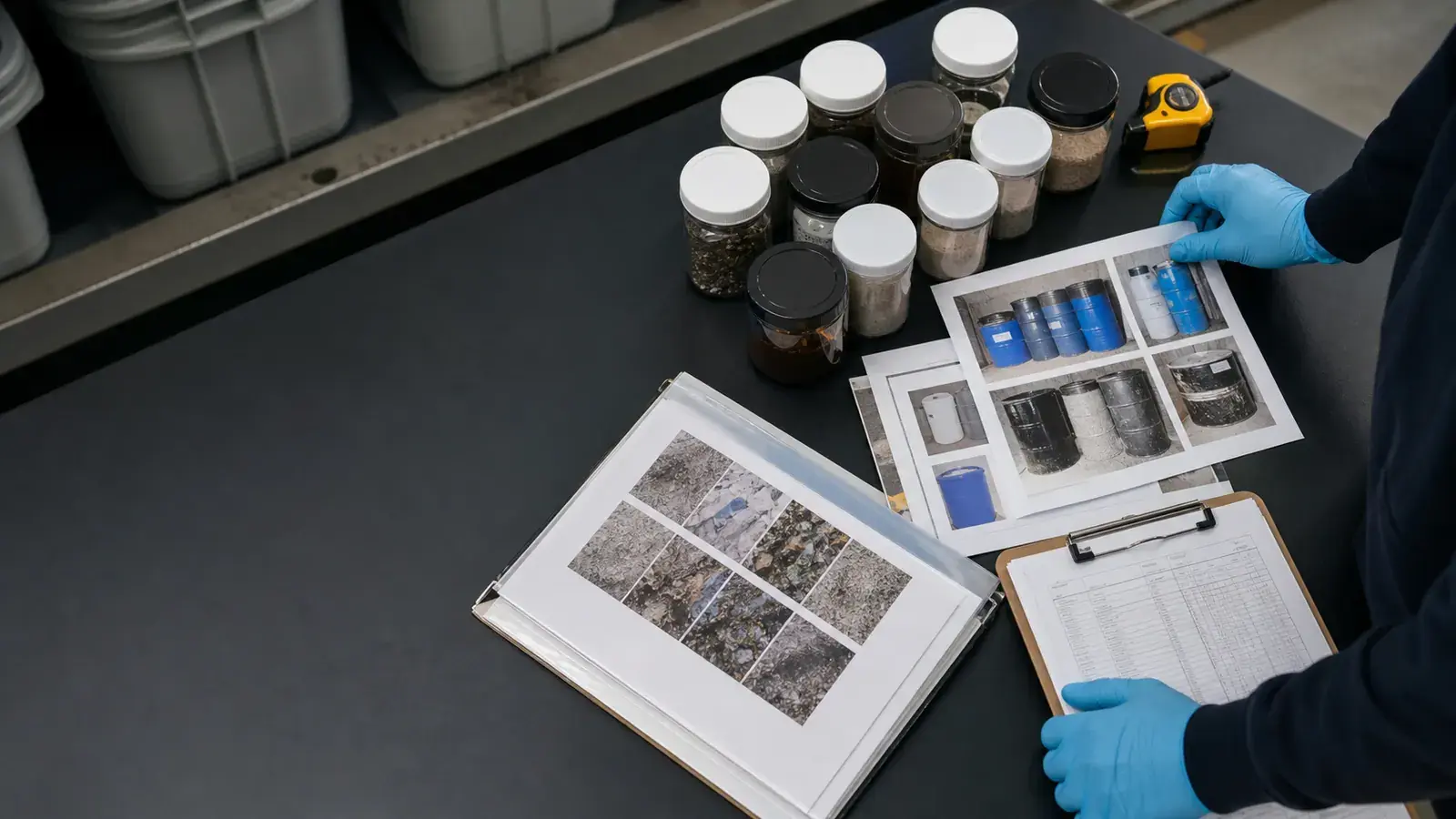
A workable disposal plan starts with a clear description of the waste, how it was generated, what it contains, how much exists, and how it is packaged.
United Environmental Solutions organizes that information into a practical planning basis for hazardous, laboratory, chemical, and other reviewed commercial waste projects.
Translate Material Facts into Receiving Information
A waste profile communicates material identity, generating process, physical and chemical characteristics, constituents, quantity, packaging, and other information required for review. It is not a government permit, blanket approval, or substitute for the generator's knowledge of the waste.
UES helps identify missing information, prepare the project file, and align the profile with the proposed service.
Use Process Knowledge, Records, and Analysis Together
- Description of the generating process
- Product identity, ingredients, and SDS files
- Physical state, pH, flash point, constituents, or other relevant properties
- Existing analytical results and sample history
- Quantity, frequency, and packaging
- Container condition and storage configuration
- Generator and facility information
- Required timing and documentation
Additional analysis may be needed when available information does not answer a material question.
A Usable Profile Starts with Accurate Inputs
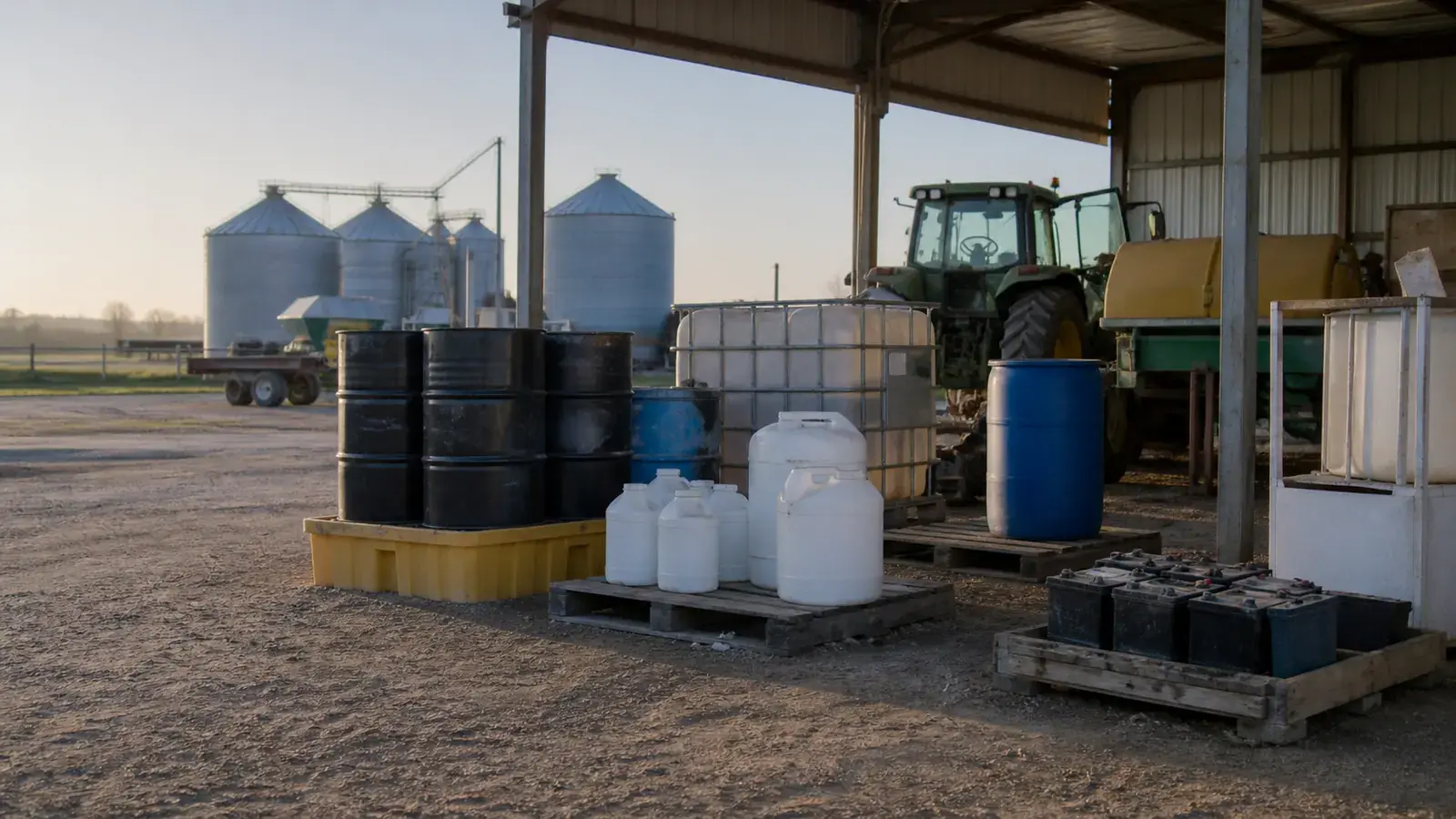
Available SDSs, analytical results, process knowledge, photographs, packaging, quantity, and location can help define the next review steps.
Label Estimates and Unknowns Instead of Guessing
Profiles can stall when quantities do not match the actual load, product SDS files are used without explaining the waste-generating process, photographs conflict with the inventory, or packaging and condition are omitted.
Send the current facts, note uncertainty, and keep the profile consistent with the material that will actually move.
Good Decisions Begin with Consistent Information
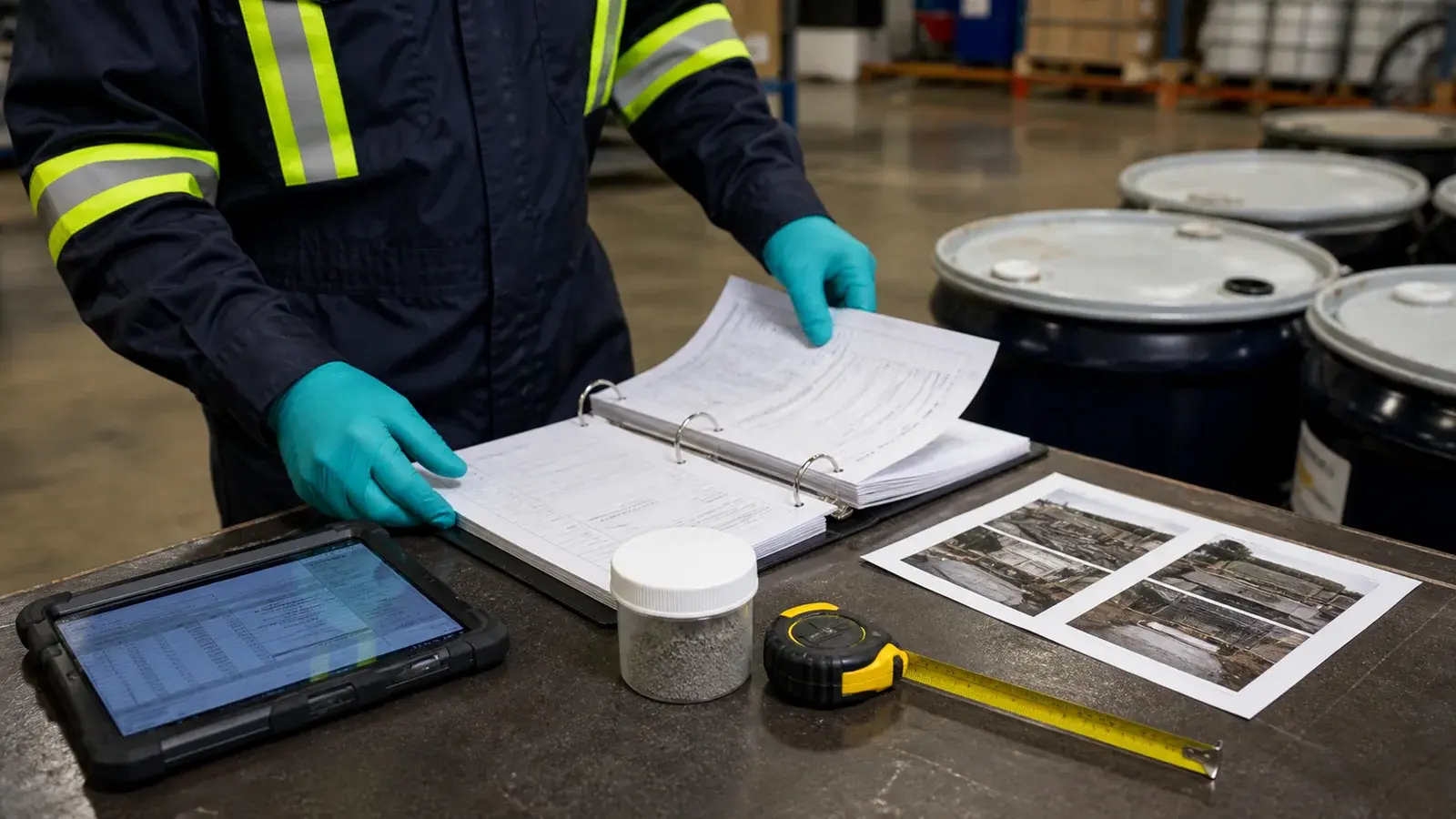
A usable project file brings material descriptions, process knowledge, available analysis, photographs, quantity, packaging, and location into one review. Clearly identified unknowns are more useful than unsupported assumptions.
Frequently Asked Questions
Is a Waste Profile the Same as a Waste Determination?
No. A profile is part of the information used for project and destination review. Generator responsibilities and regulatory determinations depend on the actual material and applicable requirements.
Does Every Project Require Laboratory Analysis?
No. Process knowledge and existing records may be sufficient for some streams. Other materials require analysis to answer specific acceptance or planning questions.
Can UES Review an Existing Profile?
Yes. Send the current profile with the SDS, analysis, process description, quantity, packaging, and any changes since it was prepared.
Build the Project File From Reliable Material Information
Provide the generating process, SDS files, analysis, quantity, packaging, condition, location, and desired schedule.