Bulk Liquid, Sludge, Soil, and Solid Waste Services
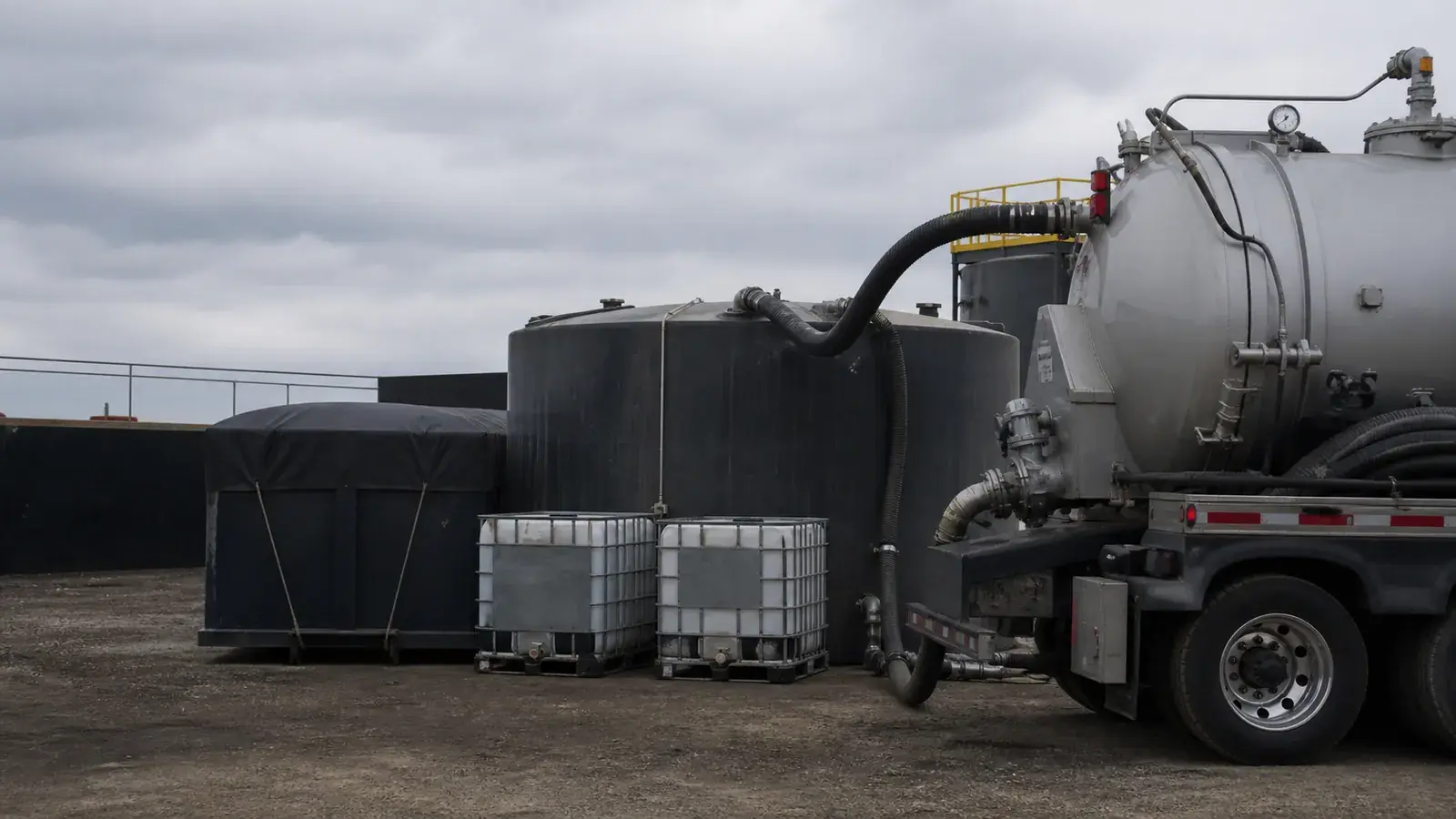
Bulk projects require the material pathway and the physical movement plan to work together. United Environmental Solutions handles commercial bulk liquids, wastewater, sludge, contaminated soil, hydrovac material, and other reviewed solids.
The scope is built around volume, physical properties, tank or container configuration, access, transfer requirements, transportation, receiving criteria, and timing.
The Material and Site Determine the Equipment
Viscosity, solids content, layers, temperature, debris, pH, contamination, distance, elevation, hose routing, access, and containment can affect how bulk material is collected and transported.
UES reviews the site and material details before equipment, labor, scheduling, or destination assumptions are finalized.
Tanks, Pits, Containers, Piles, and Process Areas
- Industrial wastewater and wash water
- Process liquids and chemical solutions
- Sludges and tank bottoms
- Hydrovac sludge and slurry
- Contaminated soil and excavated material
- Bulk granular or solid process residue
- Tank, pit, sump, tote, and container pump-outs
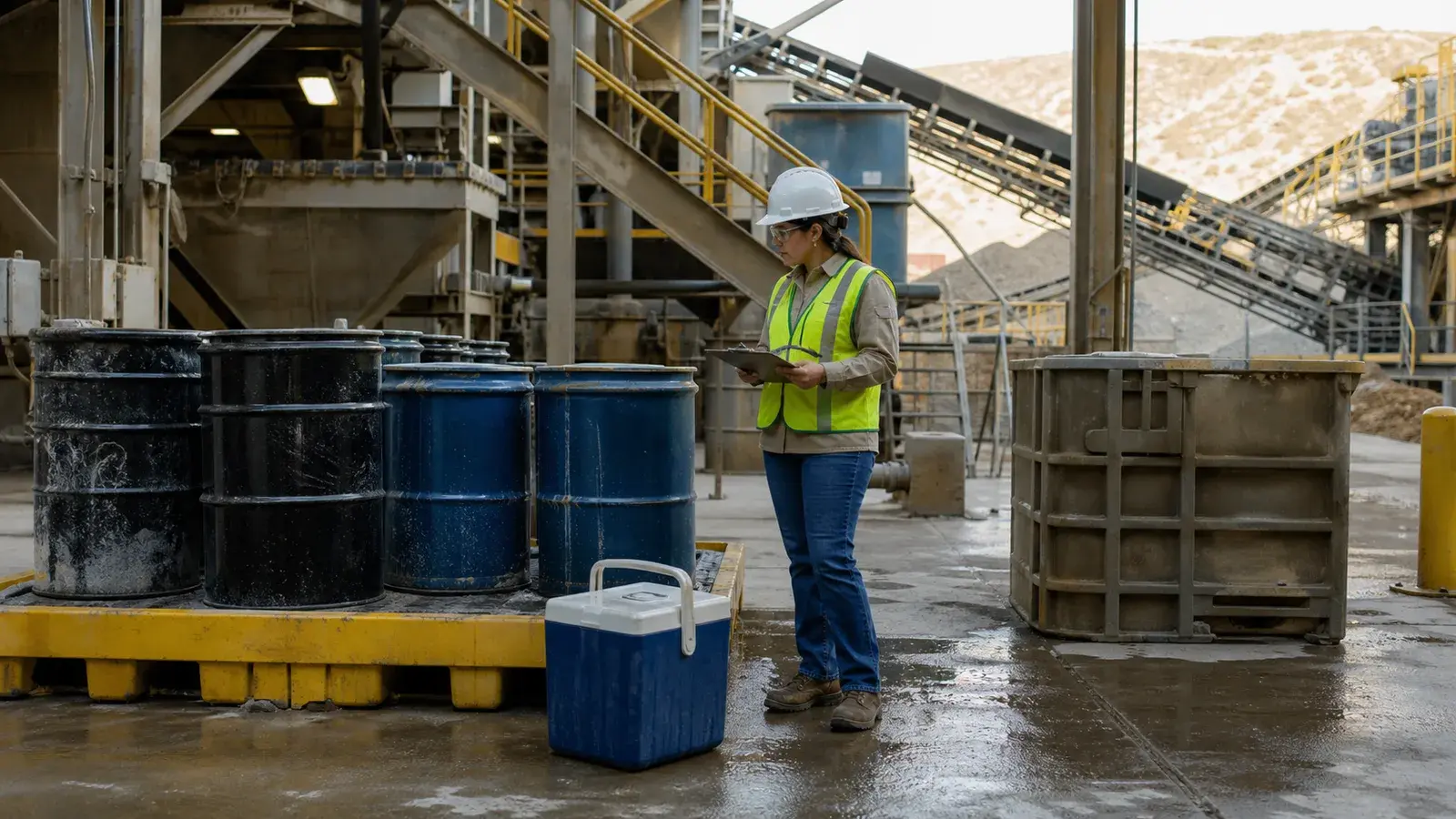
Sampling or analytical information may be needed when process knowledge does not fully define the material.
Volume, Access, Equipment, and Destination All Matter
Bulk liquids, sludge, solids, wastewater, and tank contents require site-specific review before equipment and routing can be confirmed.
Describe Both the Material and the Access
Provide estimated gallons, cubic yards, tons, or container counts; physical state; known composition; tank or pile dimensions; access route; hose distance; elevation; loading area; site hours; timing; and available SDS, profile, analytical, or photograph records.
Identify whether the material is currently in a tank, pit, sump, roll-off, tote, drum, pile, or other configuration.
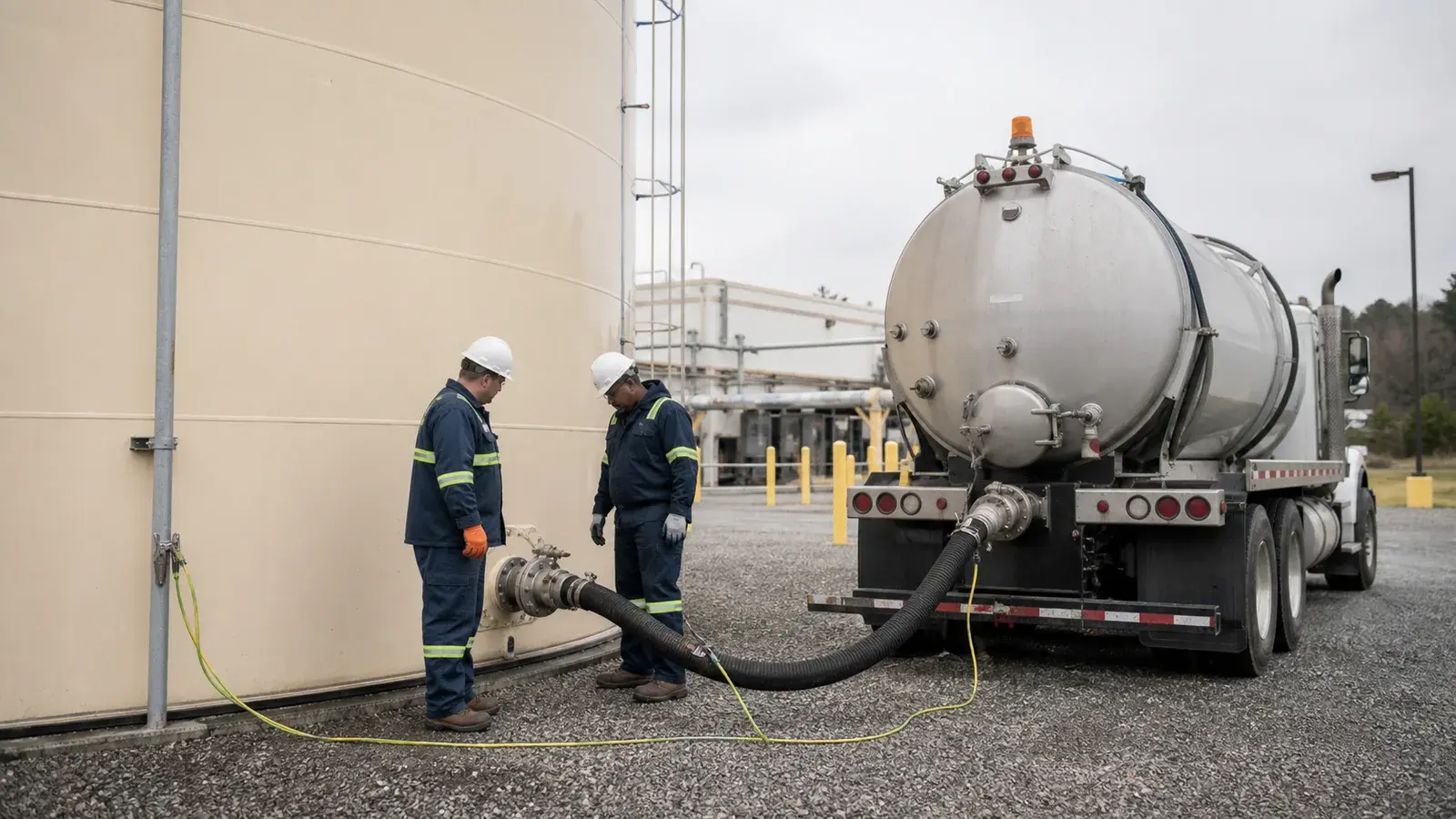
Equipment and Destination Must Be Planned Together
Tank access, material properties, estimated volume, transfer connections, receiving capacity, transportation, and destination criteria affect one another. The project route is reviewed as a connected system rather than separate line items.
Frequently Asked Questions
Can You Quote from Gallons Alone?
Usually not. Physical state, solids content, access, transfer distance, contamination, transportation, and receiving criteria can materially change the scope.
Can Pump-Out and Disposal Be Included Together?
Yes, when both workstreams are defined and approved for the project.
Can Bulk Material Be Recycled?
Some materials may have a recovery option, but no recycling result is assumed before composition, quality, quantity, and outlet criteria are reviewed.
Send the Volume, Material, and Site Configuration
Include physical state, tank or pile details, access, transfer distance, location, schedule, photographs, and available analysis.