
Non-Hazardous Waste Disposal for Commercial and Industrial Materials
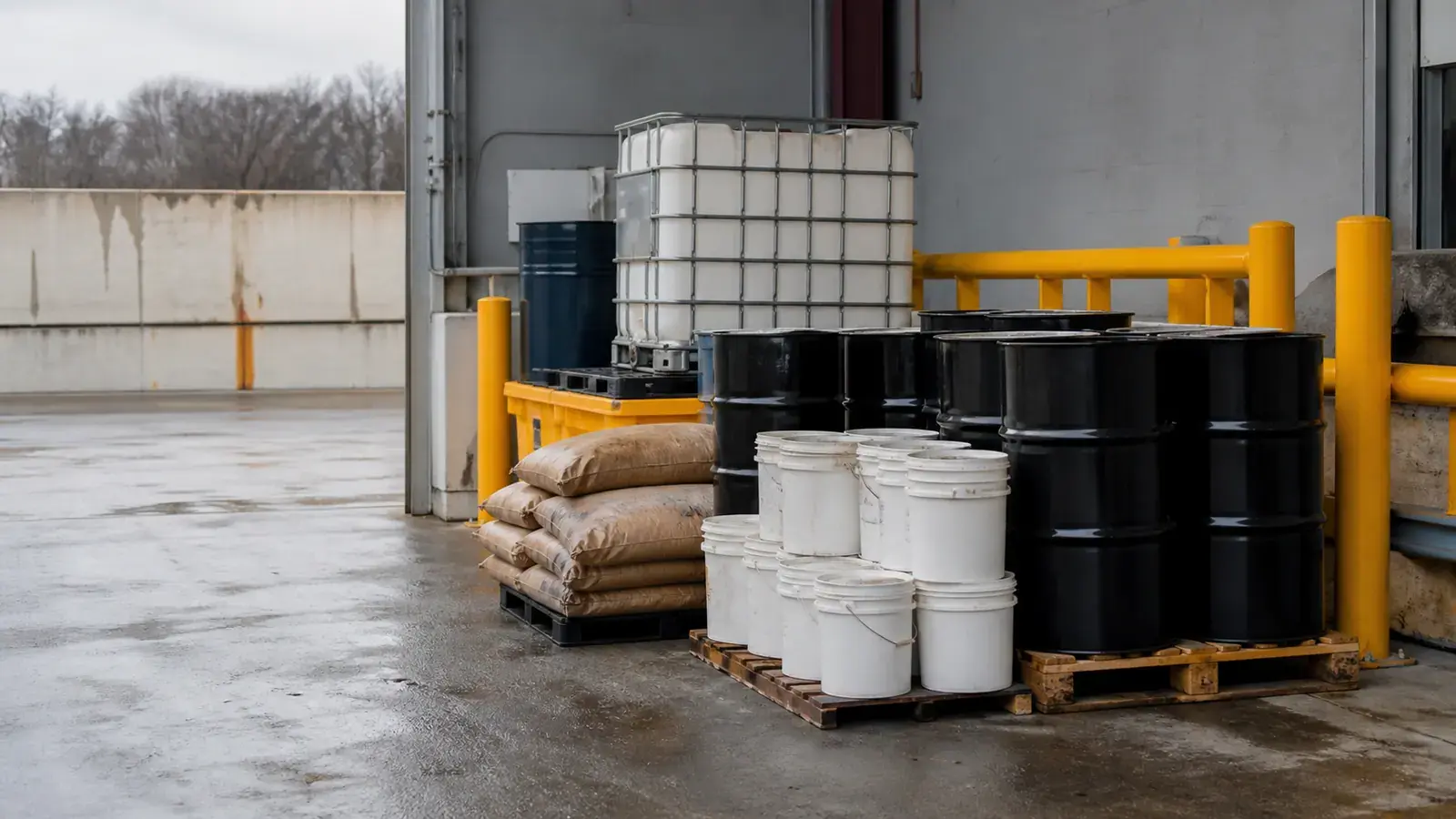
Move solid waste, absorbents, spill debris, used oil, water-based materials, wastewater, process residue, sludge, and other reviewed non-hazardous streams through a project plan built around the material and facility.
United Environmental Solutions supports packaged and bulk projects nationwide, from initial material review through transportation, disposition, and applicable final records.
For Materials That Need More Review Than Routine Trash Service
Non-hazardous does not mean that every container can enter any disposal stream. Composition, physical state, contamination, free liquids, packaging, process origin, facility rules, and destination criteria can still affect the project.
This service is a strong starting point for production residues, cleanup debris, obsolete non-hazardous materials, wastewater, sludge, used oil, and other commercial streams that need documented handling.
Packaged Waste, Bulk Material, and Facility Residue
- Commercial solid waste and process residue
- Absorbents, PPE, and spill-cleanup debris
- Used oil and oil-contaminated material
- Water-based paint, latex material, and similar products
- Wastewater, wash water, and non-hazardous sludge
- Palletized drums, totes, pails, and packaged solids
- Bulk liquids, soils, sludges, and solids
Final classification and acceptance depend on the actual material information and project requirements.
Non-Hazardous Does Not Mean One-Size-Fits-All
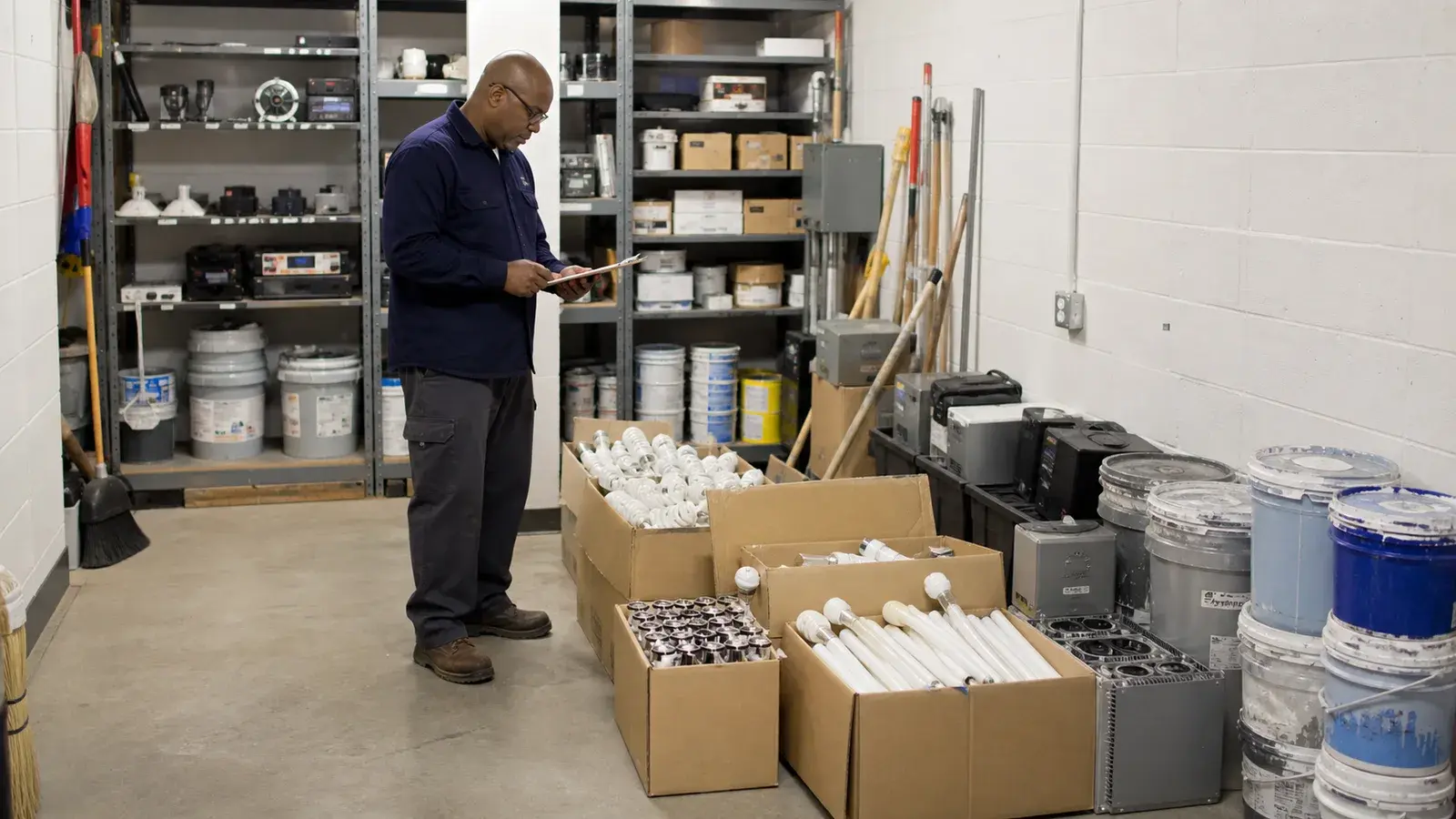
The material, packaging, quantity, condition, location, destination criteria, and requested timing still shape the route.
Material Details Prevent Avoidable Rework
Provide the generating process, known ingredients, estimated quantity, physical state, packaging, condition, city and state, access needs, timing, and any SDS files, profiles, laboratory data, or photographs already available.
UES reviews whether additional characterization, repackaging, transfer equipment, or site work is needed before the material can move.
The Same Container Can Hold a Very Different Project
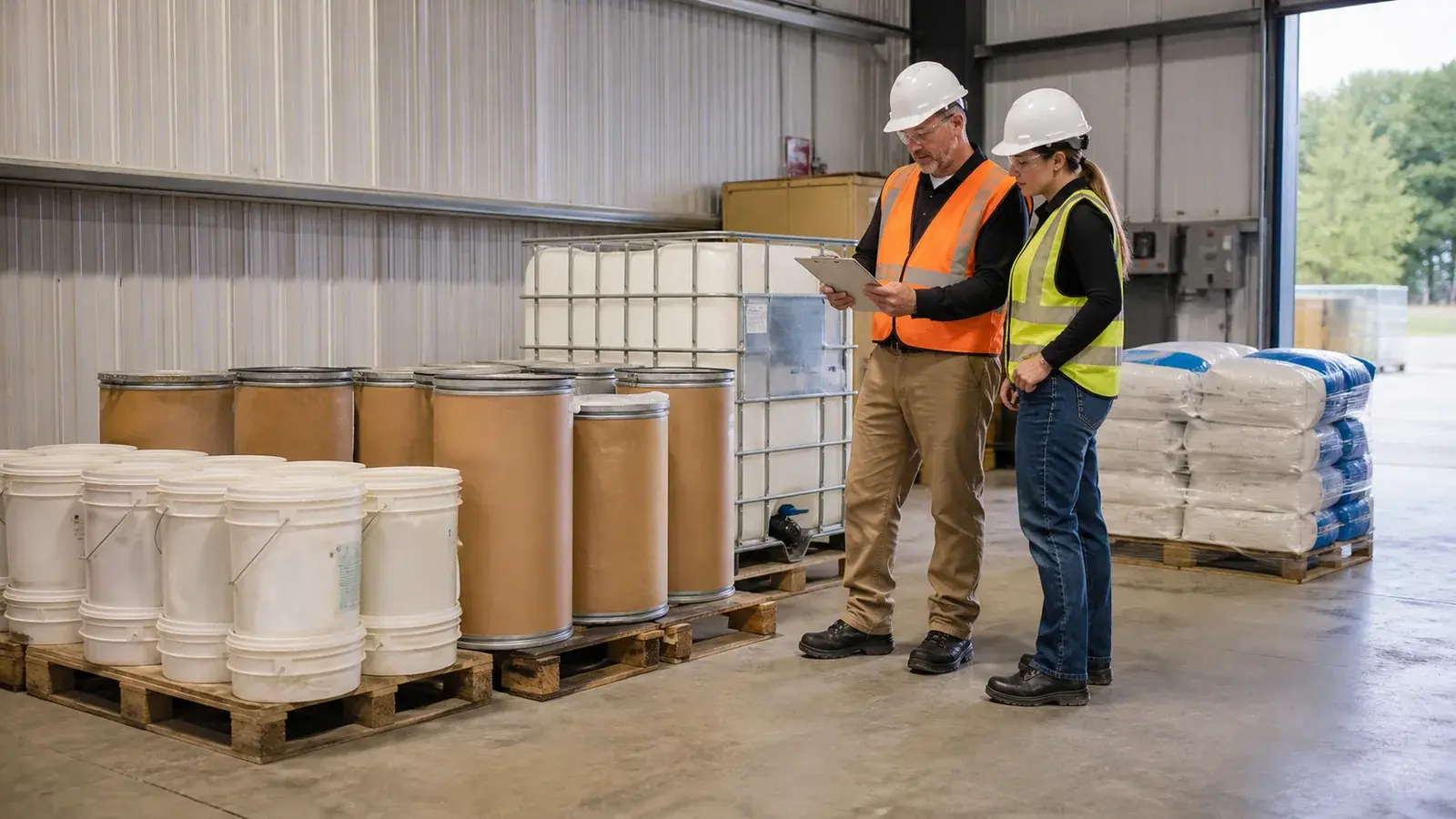
Photographs and accurate material details help distinguish ordinary facility waste from streams that need additional review. Packaging, condition, quantity, and location remain part of the scope even when the material is not represented as hazardous.
Frequently Asked Questions
Can You Take Drums and Bulk Material on the Same Project?
Yes, when a workable scope is available for each stream. Identify quantities and packaging separately.
Does Non-Hazardous Mean the Material Needs No Documentation?
No. Documentation depends on the material, generator, transportation method, destination, and customer requirements.
Can You Review an Unknown Process Residue?
Yes. Send the process description and available records. Additional analysis or information may be required before a path can be confirmed.
Request a Non-Hazardous Waste Quote
Provide the material, generating process, quantity, packaging, condition, location, and required timing.