AFFF Concentrate + Solution
Original product, mixed solution, residual liquid, and unknown solution are reviewed as distinct streams.
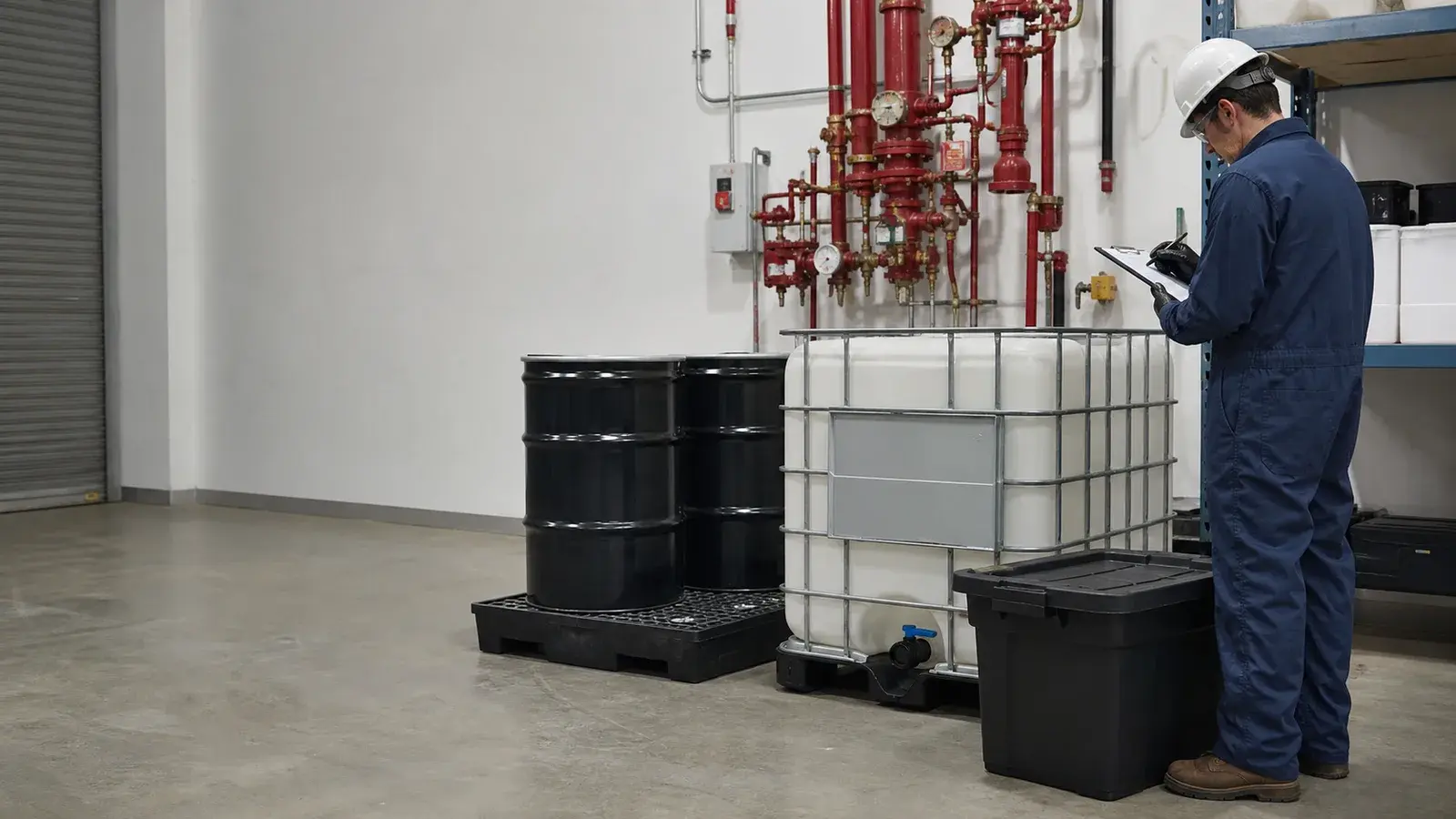
United Environmental Solutions handles AFFF concentrate, rinsate, flush water, PFAS liquids, soil, solids, PPE, debris, expired foam, transportation, disposition, and applicable project records nationwide.
Concentrate, solution, rinsate, sludge, soil, PPE, filters, debris, and containers may differ in matrix, concentration, physical form, packaging, transportation needs, and destination criteria. UES separates those streams before the disposal plan is approved.
Original product, mixed solution, residual liquid, and unknown solution are reviewed as distinct streams.
Cleaning residuals, wash water, tank bottoms, and sludge require their own volume and material details.
Contaminated soil, absorbents, filters, media, demolition debris, containers, and project-generated solids.
Obsolete or replaced foam stored in original containers, drums, totes, tanks, bladders, or apparatus.
United Environmental Solutions handles the approved project from planning and scheduling through field work, transportation, disposition, and applicable final records.
You may start before every classification, analysis, or record is complete. Clearly identify what is unknown.
Project city and state
Product name, manufacturer, SDS, and approximate age when known
Material type for each liquid and solid stream
Estimated quantity and current container or system
Existing analysis, drawings, profiles, photographs, or project records
Facility, contractor, owner, and other project roles
Required timing and documentation
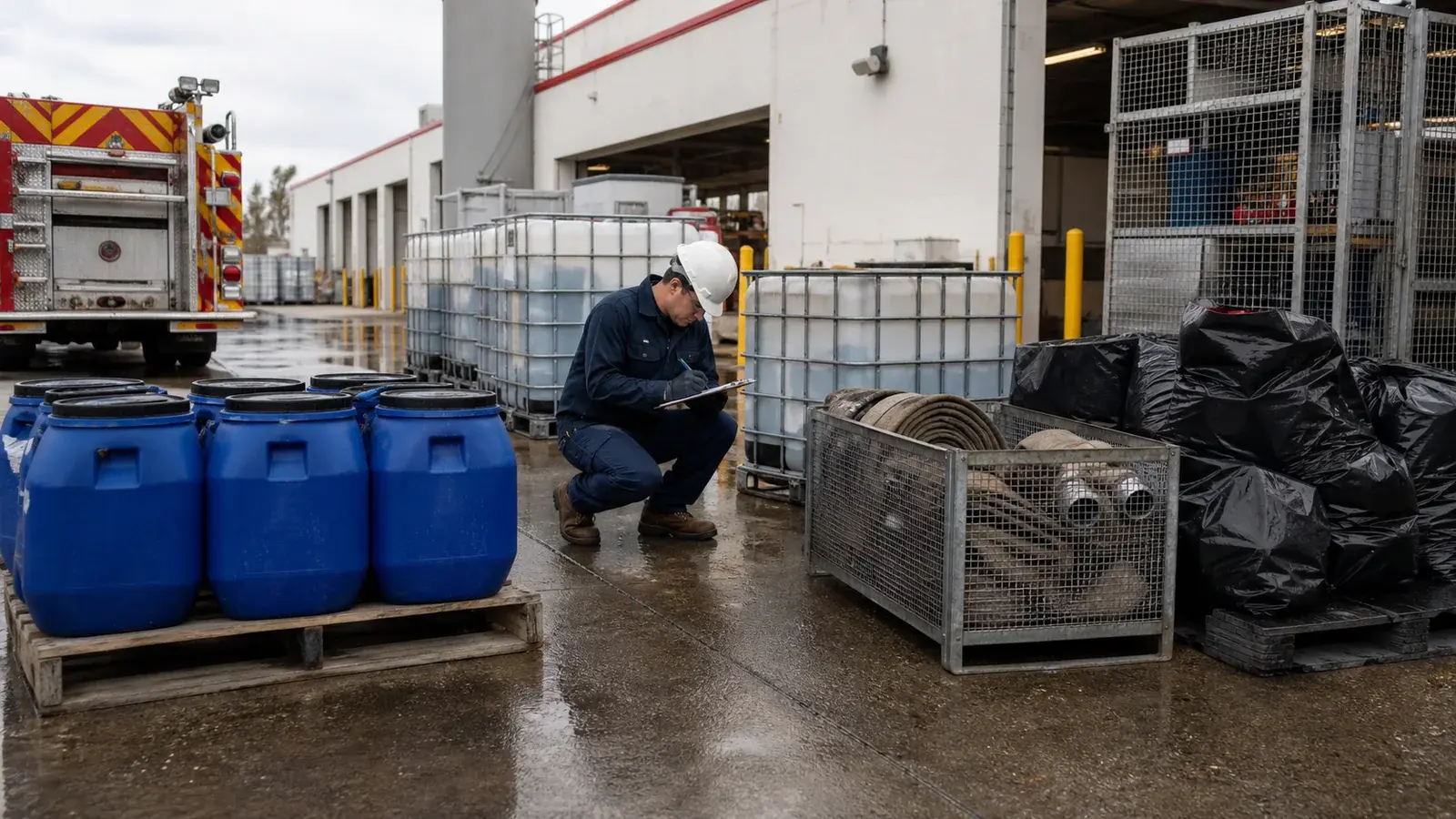
Concentrate, rinsate, flush water, soil, solids, PPE, hose, filters, debris, and containers may require different information and material plans. A single project can address them together without representing them as one uniform stream.
The material, concentration, quantity, packaging, location, destination criteria, transportation needs, timing, and documentation requirements determine the approved scope.
Liquids and solids can be included in one project, but they may require different profiles, transportation requirements, schedules, or destinations.
Share the material type, product information, quantity, packaging or system, location, timing, project roles, and available records for each stream.