PFAS Testing and Documentation Built Around the Project Question
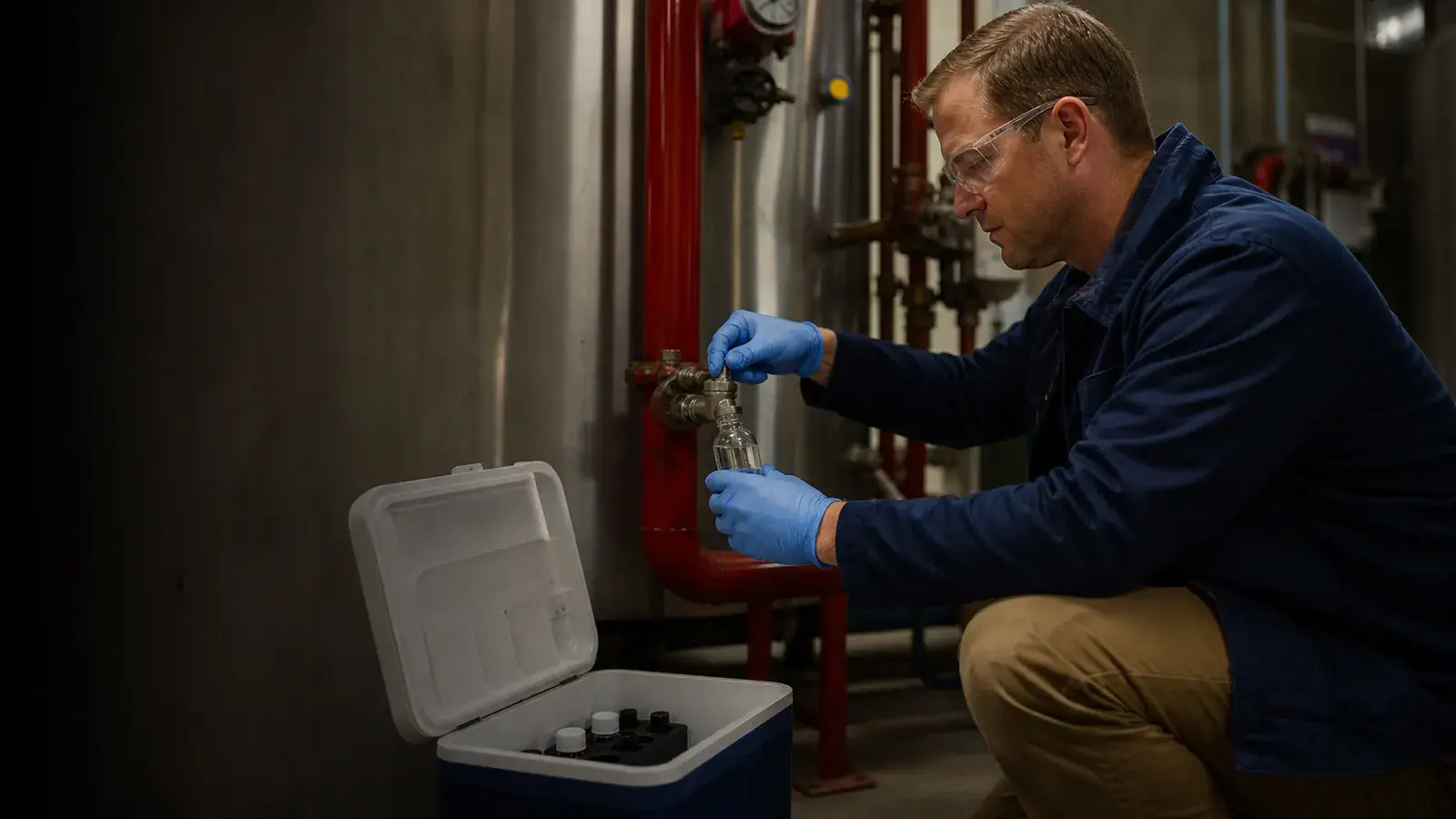
PFAS sampling is useful only when the question, sampling locations, media, methods, laboratory requirements, detection limits, chain of custody, and intended decisions are clear.
United Environmental Solutions handles project-specific sampling and documentation work for AFFF inventories, tank cleaning, system transitions, waste streams, rinsate, solids, and related commercial projects.
Sampling Without a Defined Objective Can Produce Unusable Results
The project may need to characterize a waste stream, establish a baseline, evaluate cleaning, document a project phase, compare material groups, or satisfy a receiving requirement. Those objectives may require different locations, sample types, methods, containers, preservation, timing, and reporting.
UES develops the sampling work around the approved project need. Website information is not a sampling plan.
Connect Field Information, Laboratory Data, and Project Closeout
- Sampling objectives and locations
- Material, water, rinsate, soil, residue, or surface media
- Field records and sample identification
- Chain-of-custody documentation
- Laboratory method and reporting requirements
- Detection and reporting limits appropriate to the project question
- Data review against the defined project criteria
- Integration with waste profiles, shipping records, and closeout files
No test result, regulatory conclusion, cleaning outcome, or acceptance decision is guaranteed.
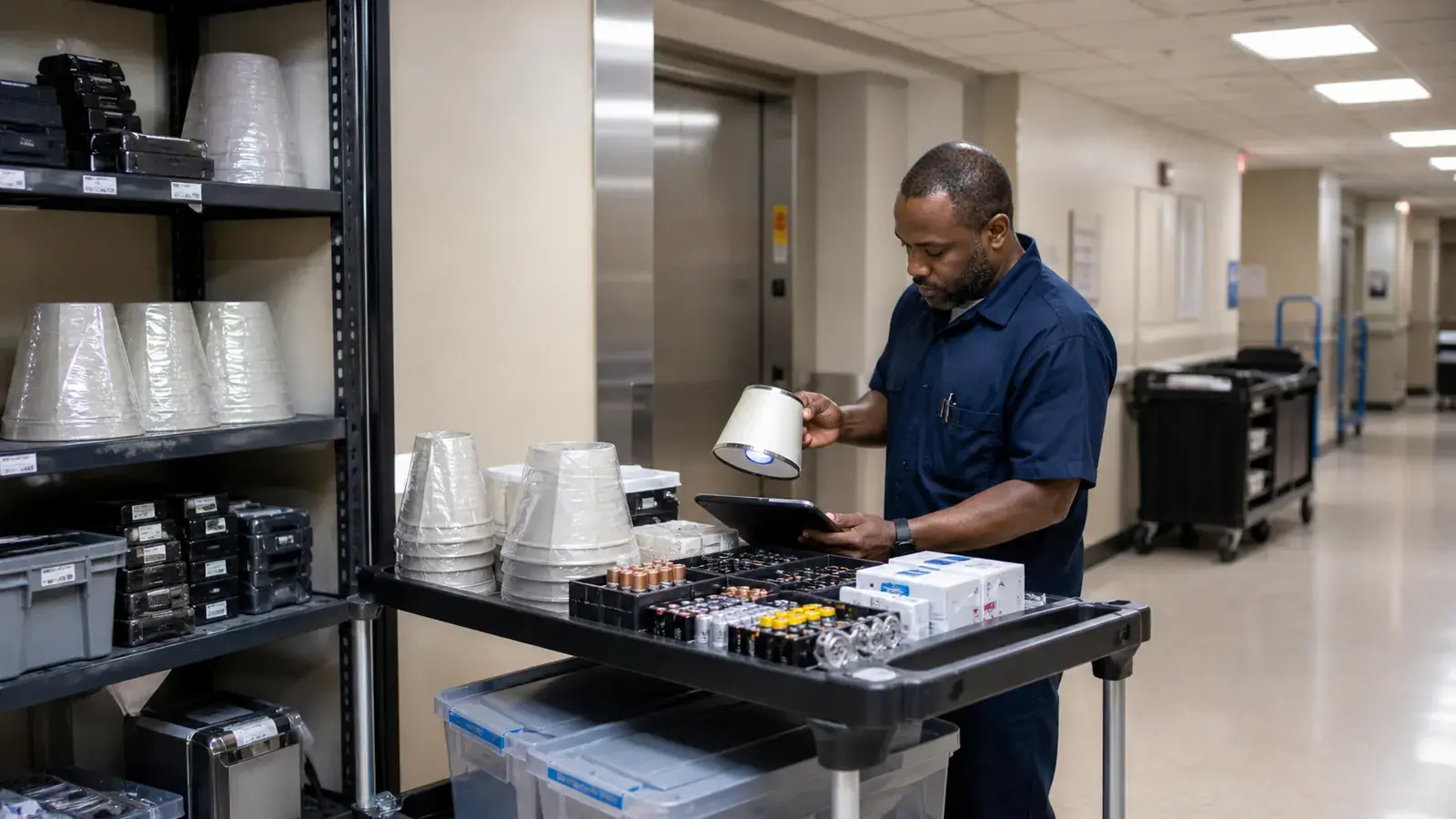
Define the Purpose of the Test and the Records Needed
Sampling location, analytical method, laboratory, chain of custody, reporting, schedule, and decision criteria should be established for the project.
Provide the Existing Project Basis
Send the facility and system information, material history, project stage, drawings, known sample locations, previous results, requested decisions, applicable specifications, schedule, and required report format.
If a customer, authority, insurer, engineer, destination, or contract defines the criteria, include the current written requirement.
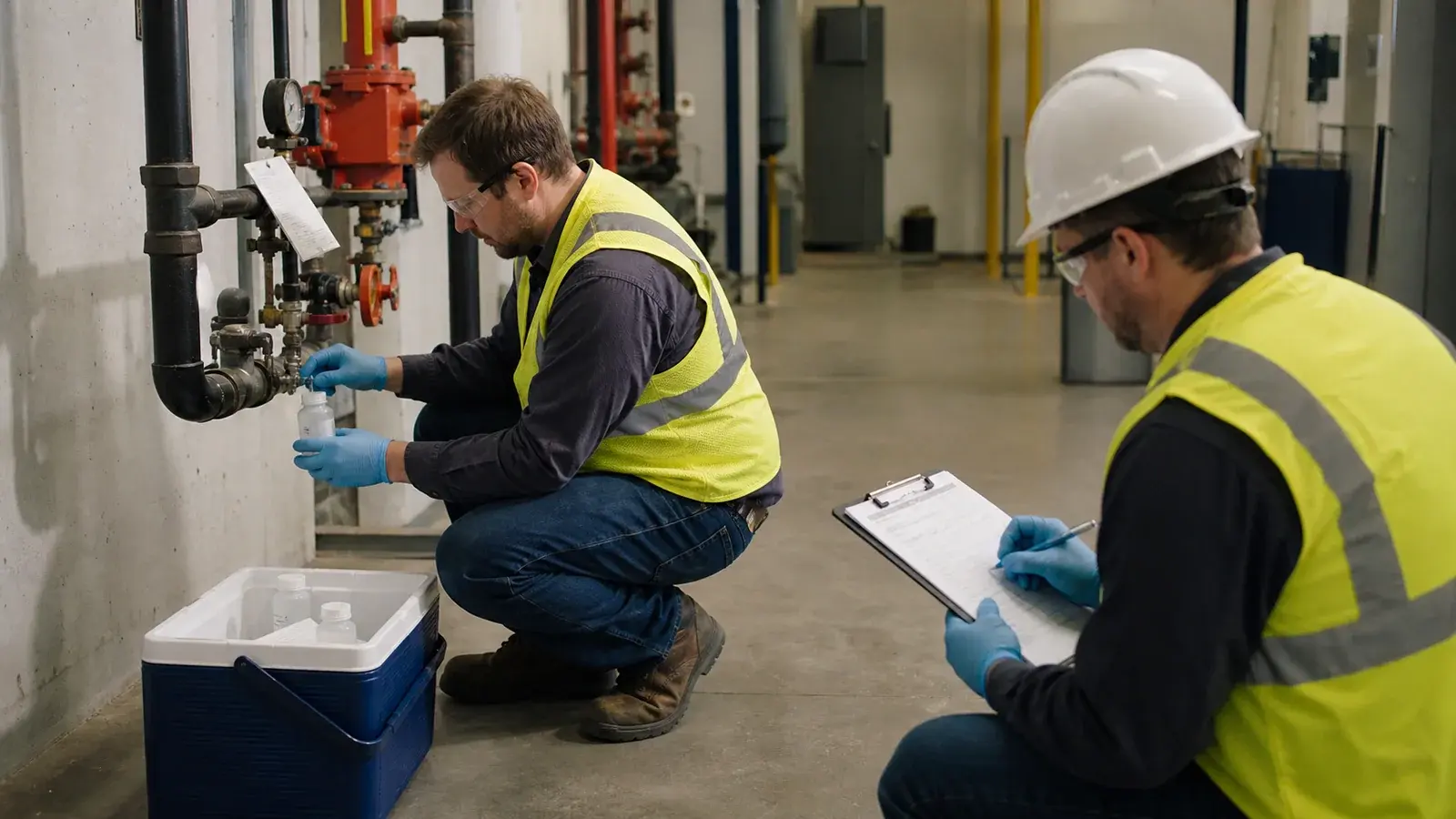
The Project Question Determines the Sampling Plan
Sampling location, matrix, method, laboratory, chain of custody, reporting, timing, and decision criteria should connect to the question the project needs to answer. Testing begins with a defined purpose.
Frequently Asked Questions
Can UES Tell Us Where to Sample?
Sampling locations can be developed within an approved project scope based on the system, material, objective, and applicable technical requirements.
Does a Non-Detect Result Prove That No PFAS Is Present?
No. Results must be understood in the context of the sample, method, detection limits, media, locations, and project objective.
Can Testing Be Included with Tank Cleaning or Disposal?
Yes. Testing, cleaning, material management, transportation, and documentation can be planned as connected workstreams when included in the approved scope.
Define the Decision Before the Sampling Plan
Send the system or material, project stage, prior results, drawings, decision criteria, location, schedule, and report needs.