Customer or Facility Team
- Share system and site information
- Identify project goals and constraints
- Provide access and internal contacts
- Review and approve the proposed scope
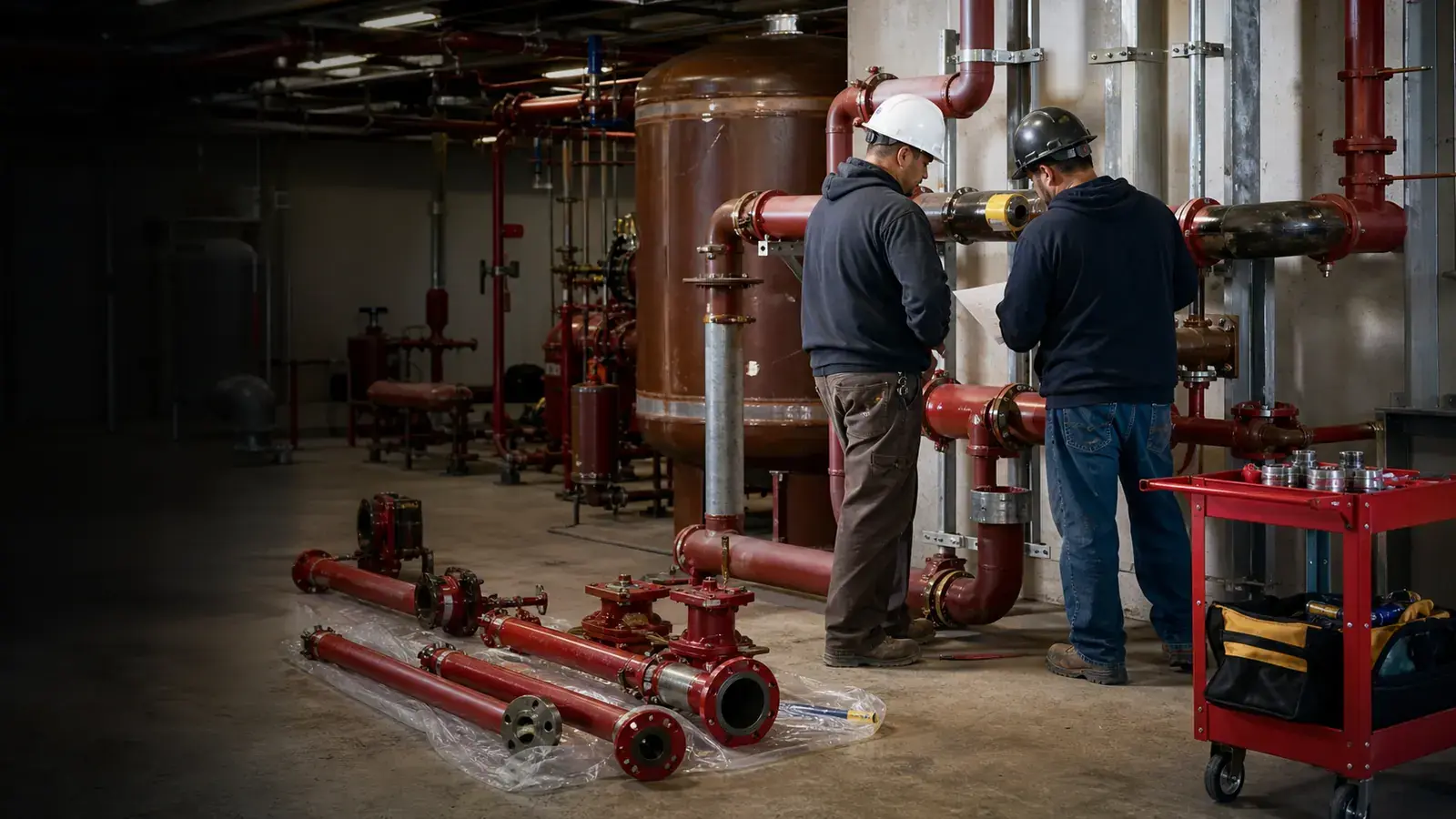
A fire-suppression transition can involve foam and residual removal, tank and piping work, cleaning, waste characterization, transportation, disposal, demolition, replacement, testing, recommissioning, and final records.
United Environmental Solutions manages the approved environmental and system workstreams through one project plan, subject to applicable technical, licensing, design, authority, and facility requirements.
Final roles depend on the approved scope. United Environmental Solutions keeps the workstreams, timing, communication, and defined closeout records connected.
A reviewed decommissioning scope may include:
This page does not provide instructions for disabling or altering an active life-safety system. System status, impairment procedures, temporary protection, design, and approval must be addressed within the applicable project requirements.
Complete or selected demolition may involve tanks, piping, pumps, proportioning equipment, supports, containment, liquids, residuals, solids, and debris.
Before scope and pricing are finalized, the project should identify what remains in service, what is being removed, material history, estimated waste streams, cleaning objectives, access restrictions, shutdown requirements, and the replacement schedule.
Demolition, waste, transportation, and documentation workstreams are managed when an approved project path is available. Design, engineering, permitting, and authority requirements remain subject to the actual facility and scope.
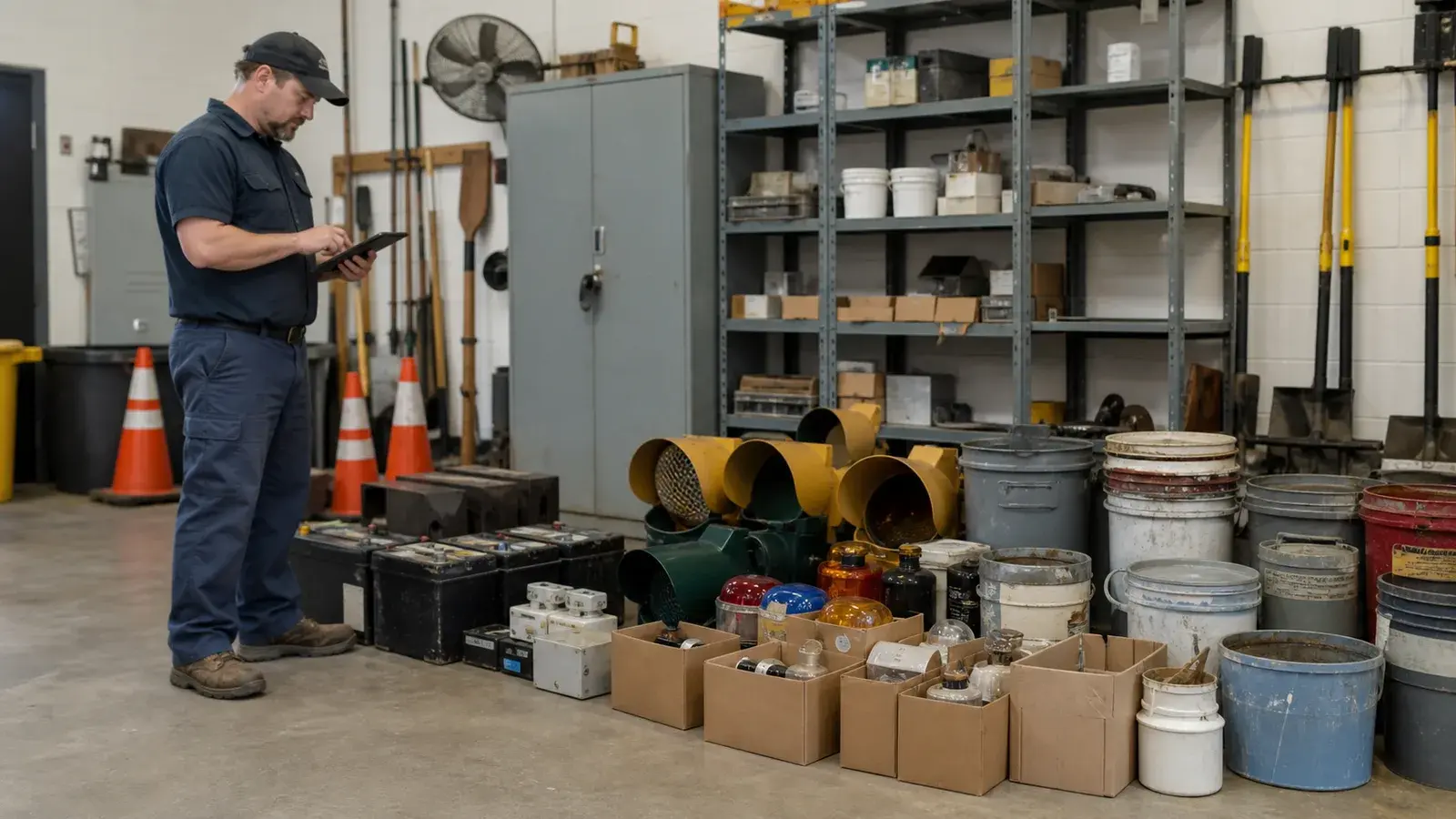
The project may involve fire-protection, field service, laboratory work, transportation, disposition, and construction requirements.
A fluorine-free transition can involve more than exchanging one liquid for another. System compatibility, design basis, listing or approval requirements, hydraulic performance, components, cleaning objectives, residual management, replacement product, testing, commissioning, and authority review belong to the approved technical scope.
The environmental work may include existing foam inventory, drainage and collection, tank and piping cleaning, rinsate and solid-waste management, transportation, disposition, scheduling, and project documentation.
Where an approved fire-protection design supports a water-based alternative, the project may include removal, cleaning, waste management, transportation, demolition, construction interfaces, and documentation.
No water-based conversion is represented as appropriate until the applicable facility, technical, insurance, authority, and approval requirements have been addressed.
A full-scope project may combine:
Scope, responsibilities, performance criteria, scheduling, documentation, and acceptance points must be defined for the actual facility.
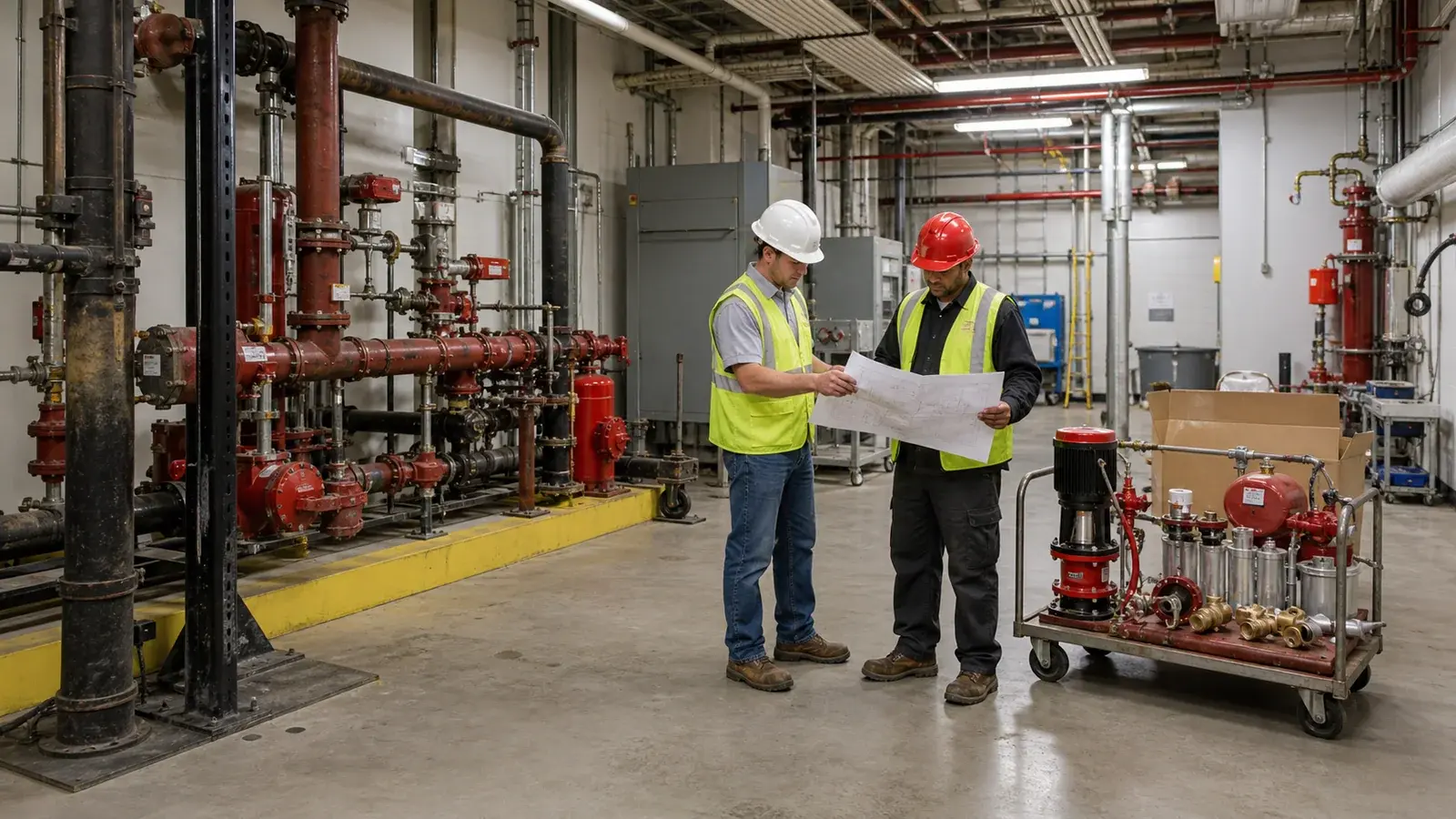
The project may connect system isolation, material removal, cleaning, demolition, conversion, rebuilding, testing, and closeout. Roles and sequencing should be defined around the approved scope and actual facility conditions.
United Environmental Solutions can manage an approved commercial project across multiple workstreams. Each workstream remains subject to applicable design, engineering, safety, construction, transportation, testing, and documentation requirements.
No. Any engineering or design scope must be separately defined and remains subject to applicable professional licensing, technical, permitting, and approval requirements.
No. Cleaning objectives, methods, sampling, analytical limits, acceptance criteria, system configuration, and residual limitations must be defined for the actual project.
Yes. Provide the drawings, known material, volumes, desired workstreams, location, assumptions, schedule, and requested documentation.
Send the existing system, foam inventory, drawings, desired transition, shutdown restrictions, location, schedule, and required records.