

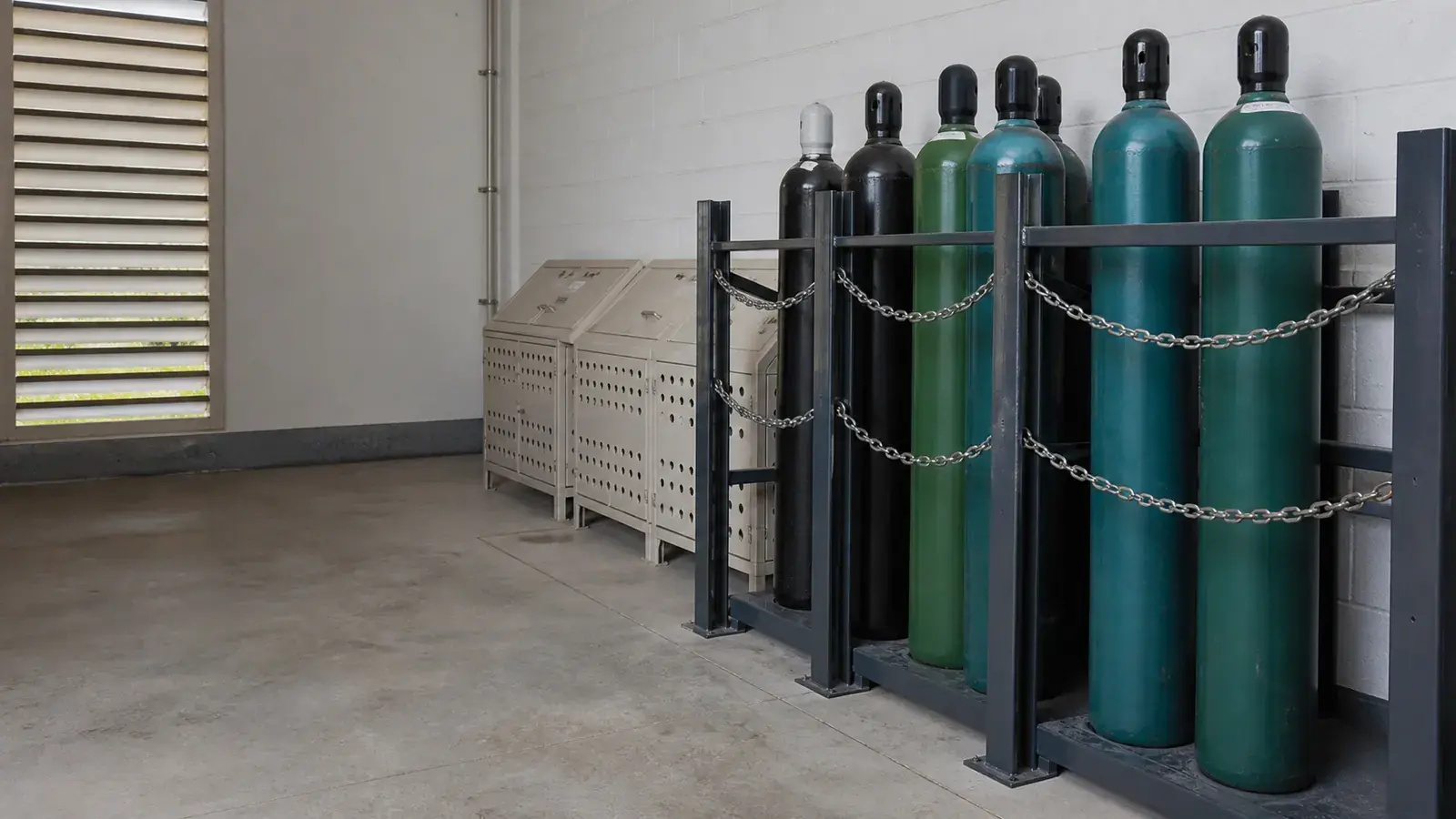
Aerosol and Compressed Gas Disposal Starts with Identity and Condition
Pressurized containers require more information than a container count. United Environmental Solutions handles commercial aerosol and compressed-gas projects based on contents, pressure, valve condition, cylinder ownership, damage, packaging, and transportation requirements.
Intact, leaking, damaged, fire-exposed, unknown, and specialty cylinders may require different project plans.
Contents and Container Condition Shape the Work
Aerosol cans, calibration gases, refrigerants, fuel gases, oxidizing gases, inert gases, and specialty cylinders are not interchangeable. Labels, cylinder markings, valve protection, corrosion, leakage, and remaining pressure affect the next step.
Do not vent, puncture, discharge, repair, move, or consolidate questionable containers to prepare a request.
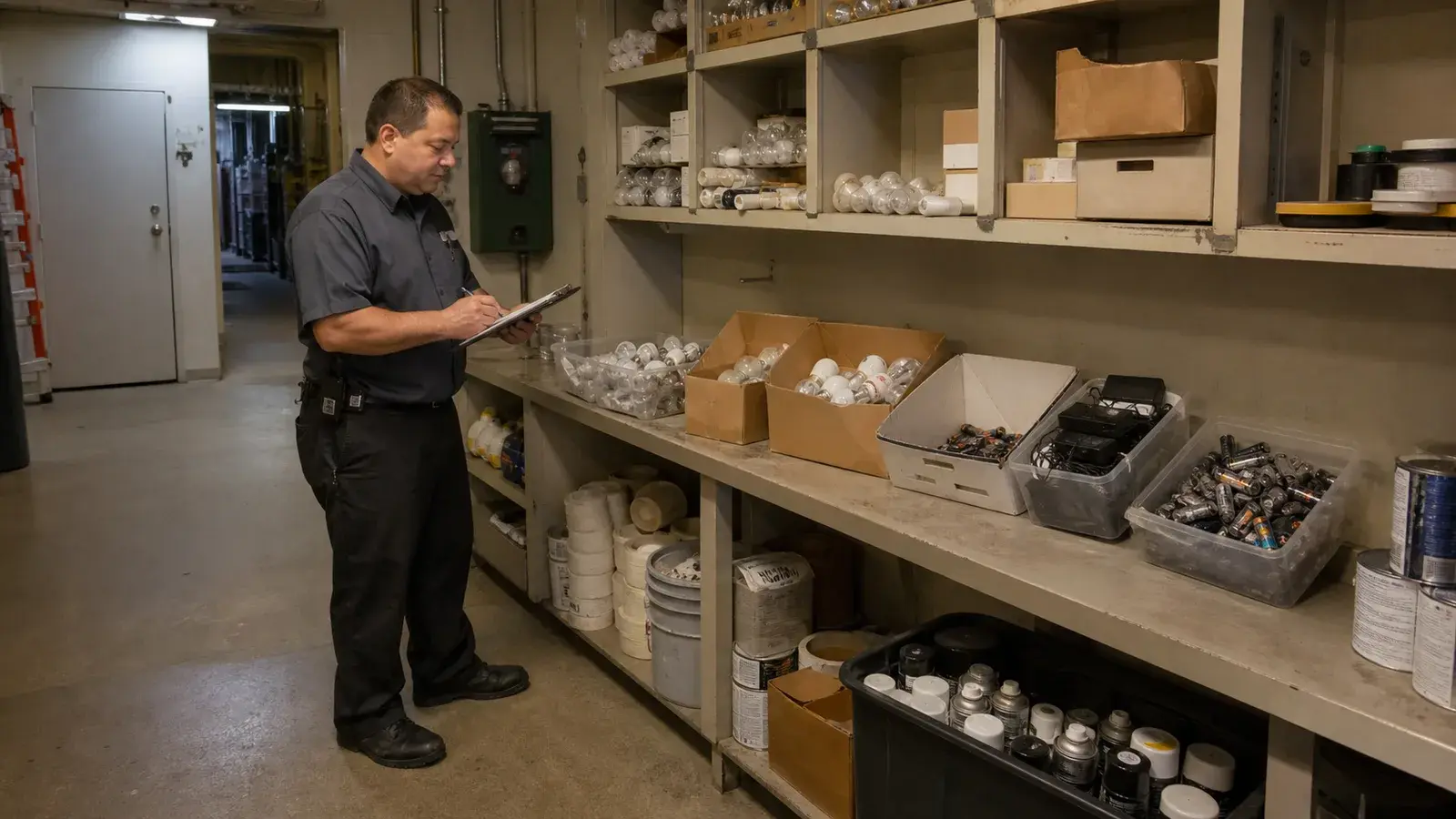
Container Condition Changes the Project
Cylinder type, contents, valve condition, aerosol quantity, packaging, access, and location help determine the appropriate next steps.
Facility Accumulations, Surplus Inventory, and Damaged Containers
- Consumer and industrial aerosol products
- Full, partial, and spent aerosol cans
- Compressed-gas cylinders
- Calibration and laboratory gases
- Refrigerant and process-gas cylinders
- Propane and fuel-gas containers
- Unknown, damaged, corroded, or leaking containers requiring separate evaluation
Cylinder ownership and return options should be identified when known.
Photograph Labels, Valves, and Overall Condition from a Safe Position
Provide product or gas identity, cylinder or can size, quantity, estimated fullness, ownership markings, valve condition, caps, damage, leakage status, storage configuration, location, and photographs already available under site procedures.
Separate intact material from damaged or questionable containers in the inventory.
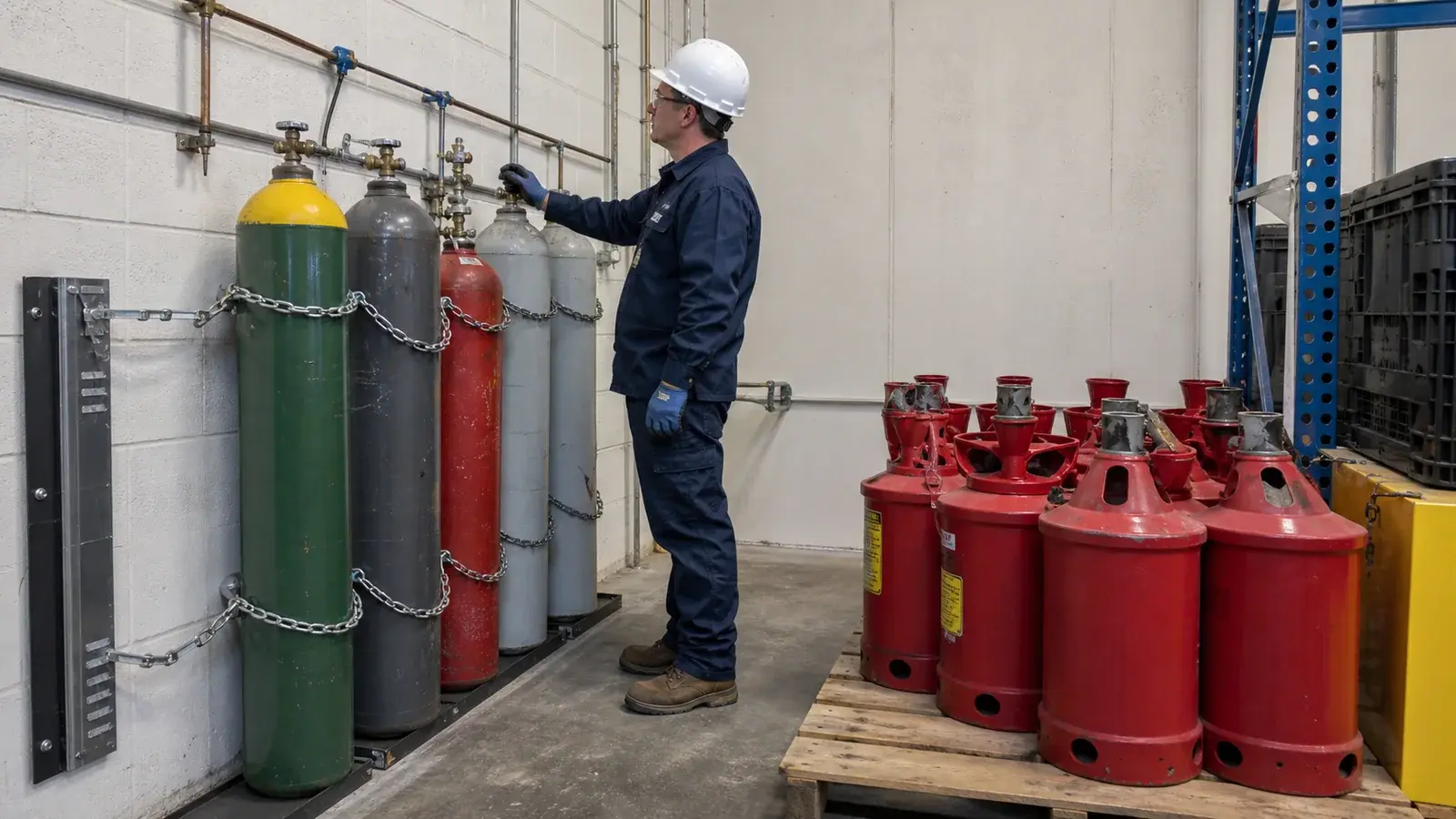
Cylinders and Aerosols Need More Than a Quantity
Contents, container type, pressure, valve condition, ownership status, damage, quantity, packaging, and location help determine the next steps. Photographs are especially useful during the first review.
Frequently Asked Questions
Can Unknown Cylinders Be Included?
They can be submitted for evaluation, but unknown identity or compromised condition may require additional assessment before movement.
Should We Empty Aerosol Cans First?
Do not change the condition of the material solely for a quote. Report whether containers are full, partial, or believed to be empty.
Can Rental Cylinders Be Returned?
Possibly. Provide ownership and supplier markings so return options can be reviewed before disposal is considered.
Document the Contents, Pressure, and Container Condition
Send product identity, sizes, counts, fullness, ownership markings, valve condition, damage, location, and photographs.