
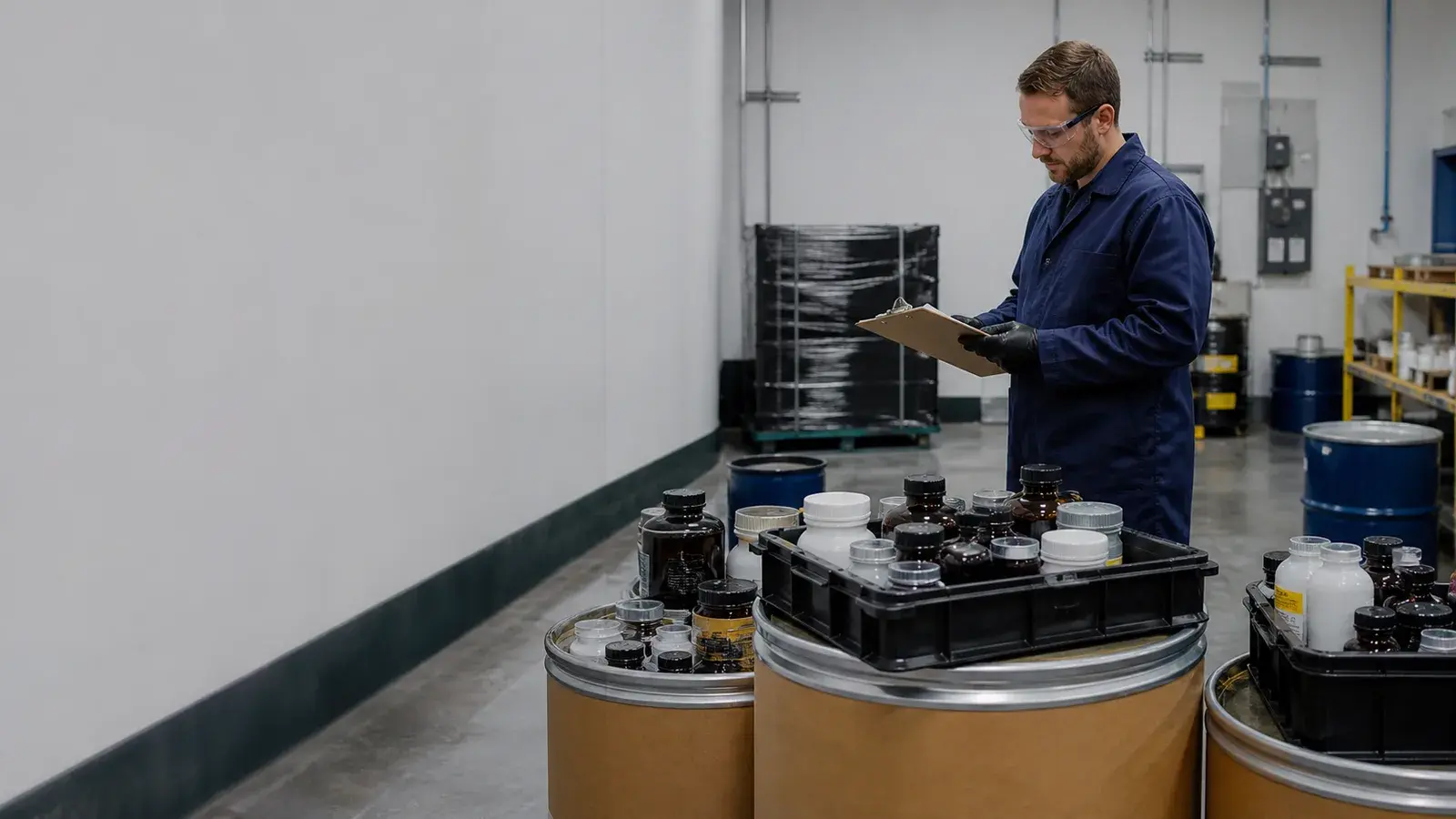
Toxic Waste Disposal Begins with a Defined Material
Materials described as toxic can differ widely in composition, concentration, physical state, exposure concern, regulation, packaging, and eligible destination.
United Environmental Solutions reviews the complete waste stream before developing a disposal scope for commercial and organizational generators.
“Toxic” Is a Starting Description, Not a Complete Profile
The project may involve a listed constituent, laboratory chemical, manufacturing residue, contaminated debris, heavy metal, pesticide, treatment chemical, or another material that requires closer evaluation.
Product identity, process knowledge, analysis, concentration, quantity, and condition provide a stronger basis than a general hazard description alone.
Define the Material Without Creating New Risk
- Chemical or product identity and generating process
- Known ingredients, constituents, and concentrations
- Physical state and estimated quantity
- Container type, size, fullness, and condition
- Location and current storage conditions
- SDS files, analytical data, profiles, or prior shipping records
- Reason for disposal and requested project window
Do not touch, open, smell, sample, or move questionable material solely to gather information for the website form.
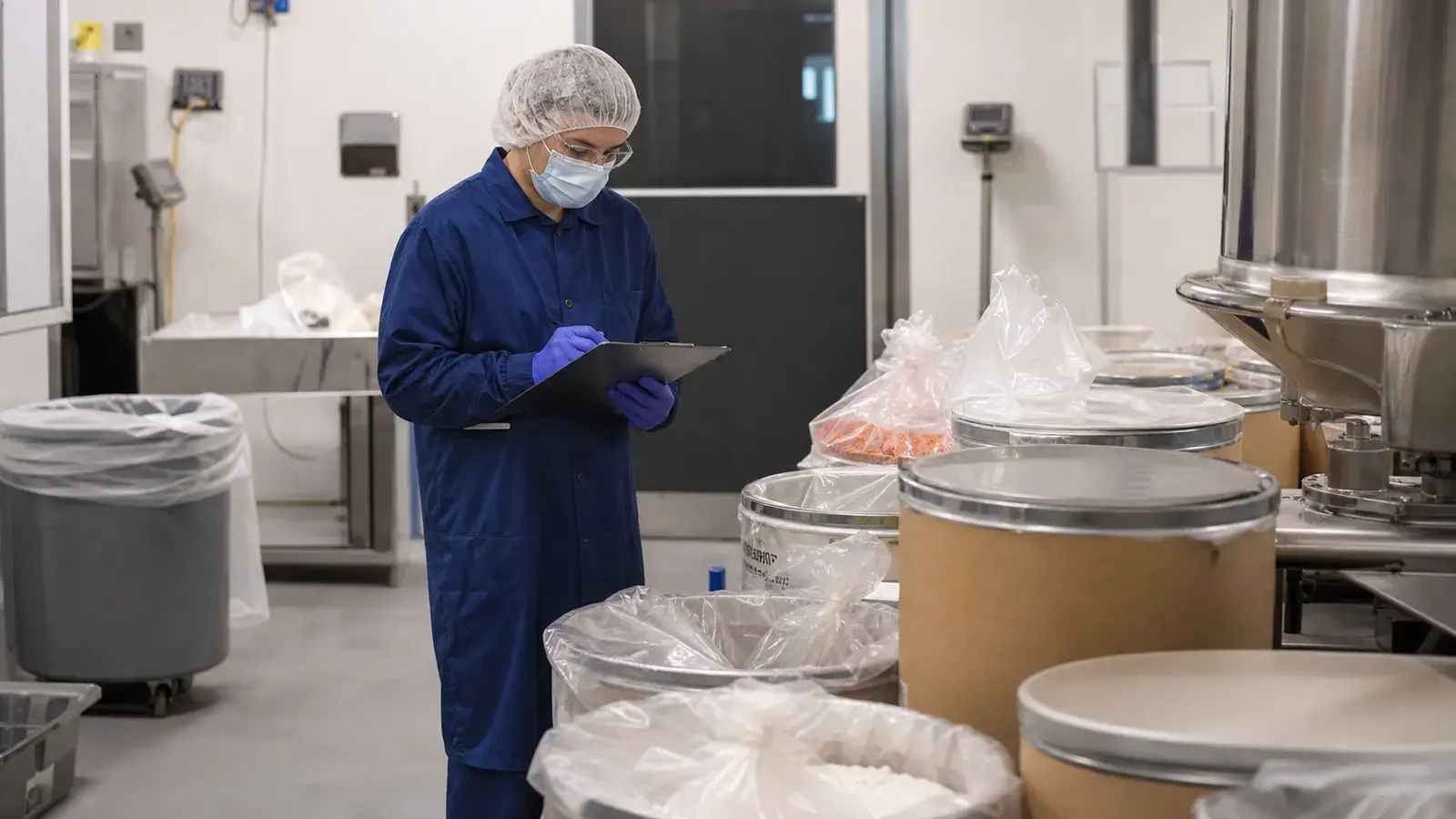
Special Handling Begins with Careful Identification
No material should be represented as accepted until its identity, condition, packaging, quantity, location, and project requirements have been reviewed.
Match the Waste Stream to the Required Controls
An approved scope may address additional characterization, profiling, packaging or overpacking, transportation, receiving criteria, disposal requirements, site access, and project records.
If the material is unstable, explosive, radioactive, or presents an immediate threat, use the appropriate emergency or specialty review process instead of treating it as routine toxic waste.
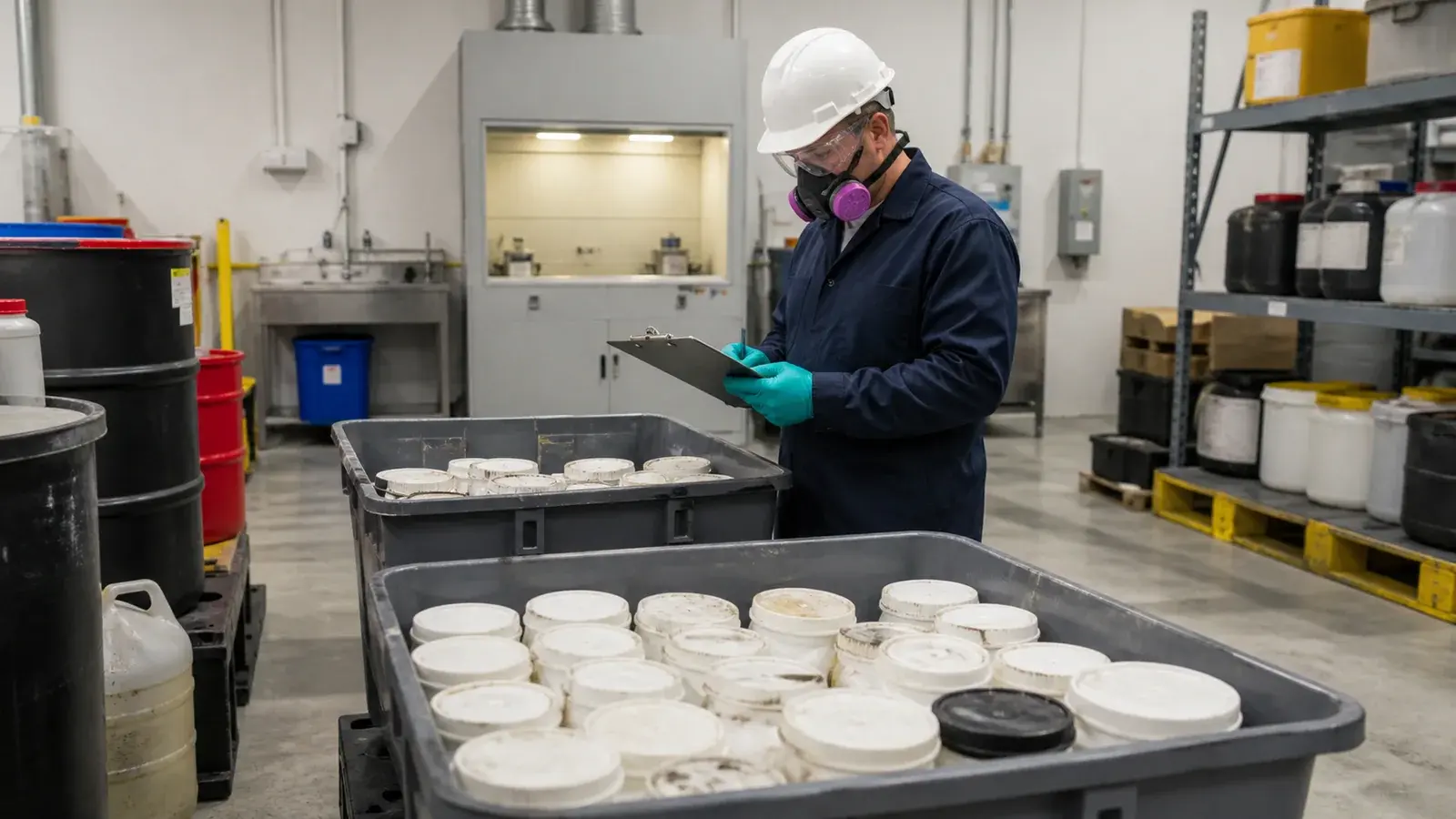
A Broad Concern Needs a Specific Description
The word toxic does not establish a complete classification or disposal route. Product information, process knowledge, analytical data, physical state, packaging, quantity, and condition help define the next review steps.
Frequently Asked Questions
Can a Label or SDS Confirm the Entire Disposal Route?
Not always. The waste-generating process, contamination, age, condition, mixture, quantity, and destination criteria may require additional information.
Can Unknown Toxic Material Be Submitted?
It can be submitted for evaluation using information already available. Additional assessment may be required before a scope can be approved.
Is This an Emergency Service?
No response time is promised through this page. Call emergency authorities for an immediate threat to people, property, or the environment.
Define the Material Behind the Toxic-Waste Request
Provide the known identity, process, constituents, physical state, quantity, packaging, condition, and existing analysis.