PFAS Tank Cleaning, Drainage, and Rinsate Management
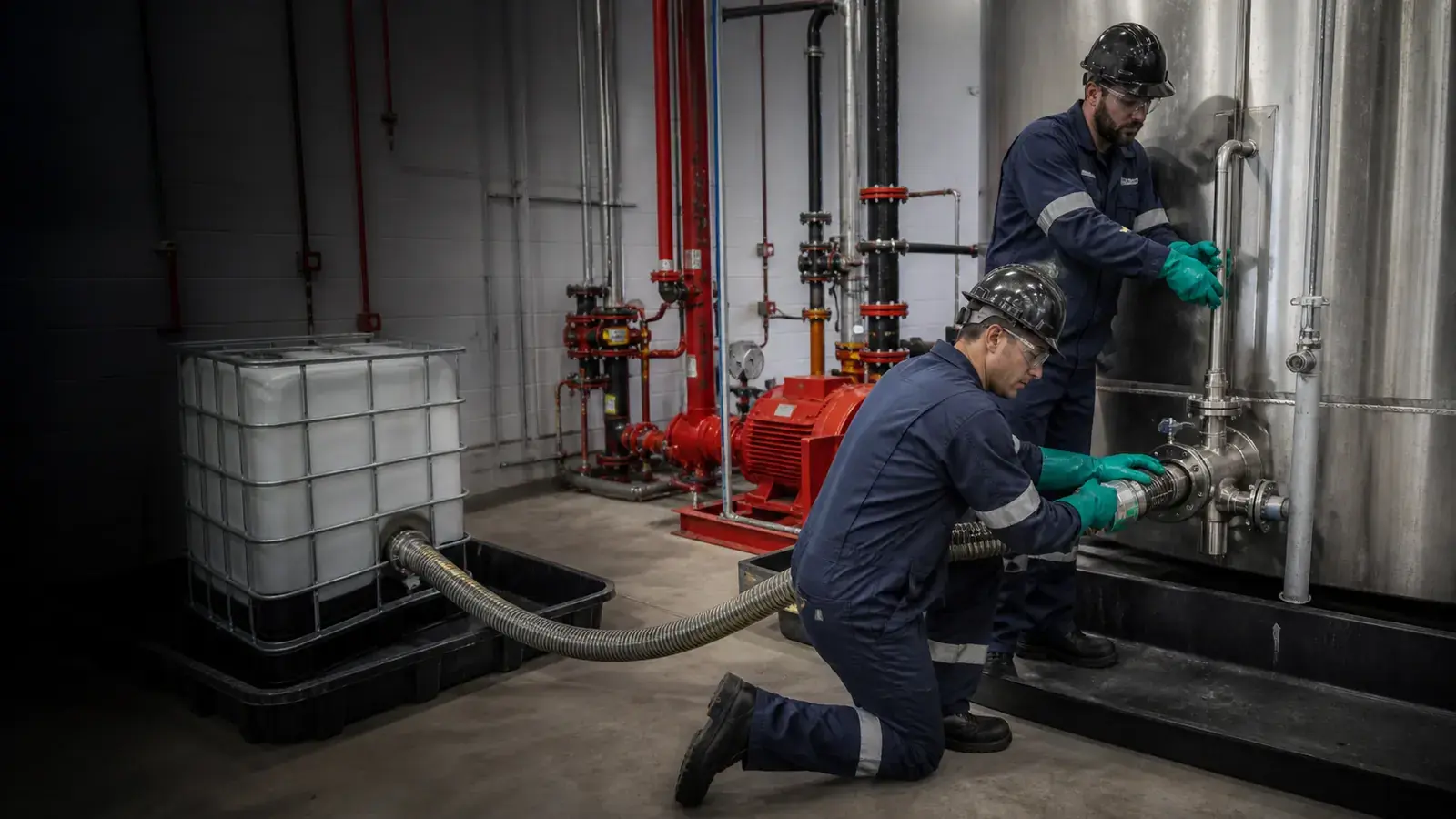
United Environmental Solutions handles the environmental work associated with AFFF and PFAS-affected tanks, piping, bladders, apparatus, vehicles, containment, and connected equipment.
The approved scope links drainage, collection, cleaning, rinsate, residuals, waste management, access, scheduling, and documentation to the facility's planned system outcome.
Cleaning Objectives Depend on the Next Use
A tank being prepared for inspection may have a different objective from a system changing products, undergoing demolition, or returning to an approved service configuration. Visual condition, residual removal, rinse cycles, sampling, analytical limits, and acceptance criteria must be defined for the actual project.
UES does not promise complete PFAS removal or a universal cleaning standard.
Drain, Collect, Clean, and Manage the Resulting Materials
- Review tank, piping, bladder, apparatus, or vehicle configuration
- Remove foam concentrate, solution, heel, and sludge
- Collect flush water and rinsate
- Address filters, absorbents, PPE, solids, and disposable materials
- Define access, transfer, containment, and temporary storage needs
- Prepare material descriptions, transportation, and disposition requirements
- Organize the completion records included in the approved scope
System isolation, impairment, design, testing, and return-to-service decisions remain part of the applicable technical project requirements.
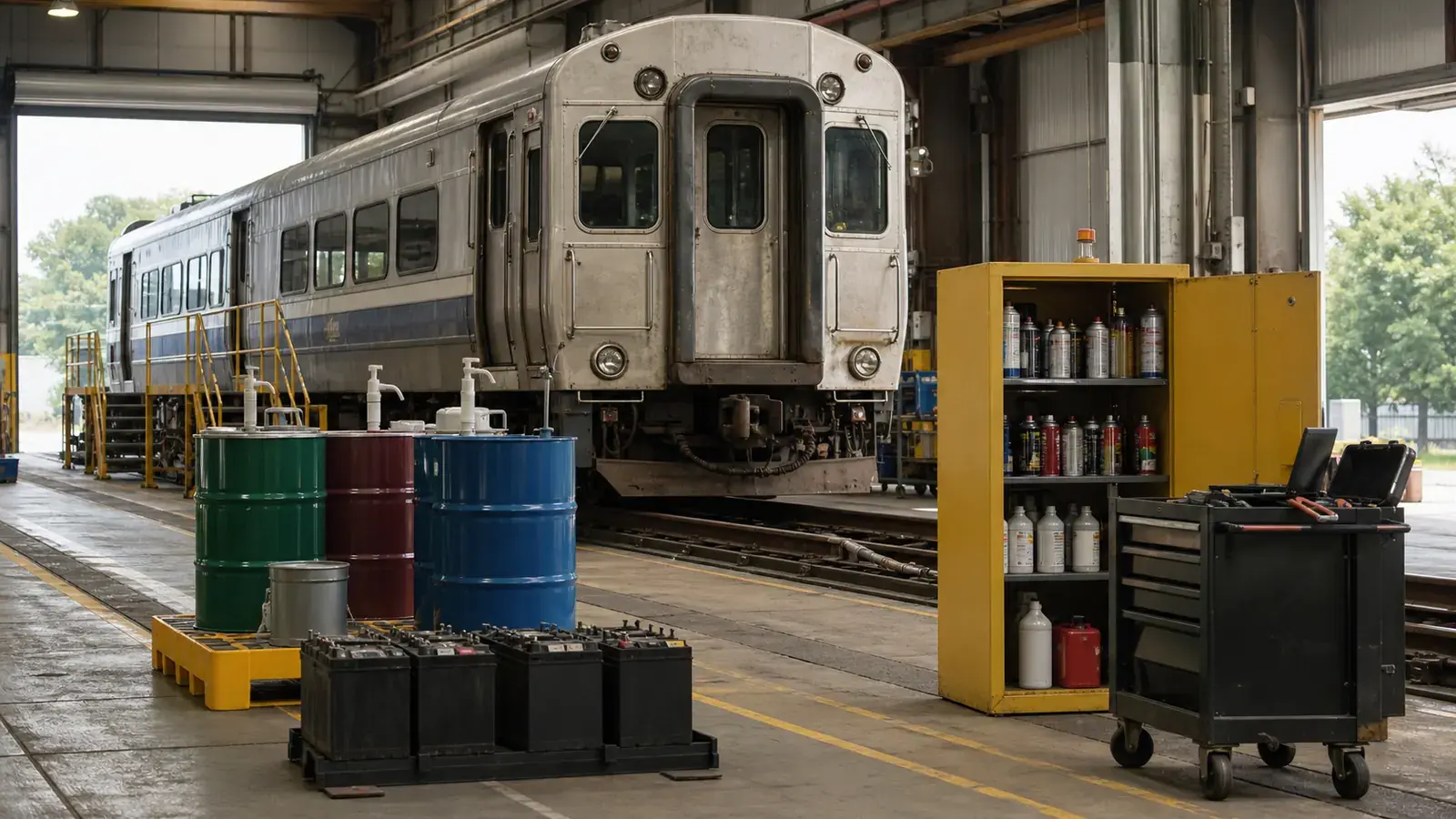
Drainage, Cleaning, Collection, and Disposition Belong in One Scope
Tank access, contents, system layout, transfer connections, residual management, destination, and records must be planned together.
System Drawings and Product History Improve the Starting Scope
Provide tank capacity and dimensions, estimated liquid volume, foam product and age, piping or apparatus configuration, access points, hose distances, drawings, photographs, SDS files, existing test results, cleaning objective, planned replacement product, location, and schedule.
Identify whether the system is active, isolated, scheduled for demolition, or part of a future bid.
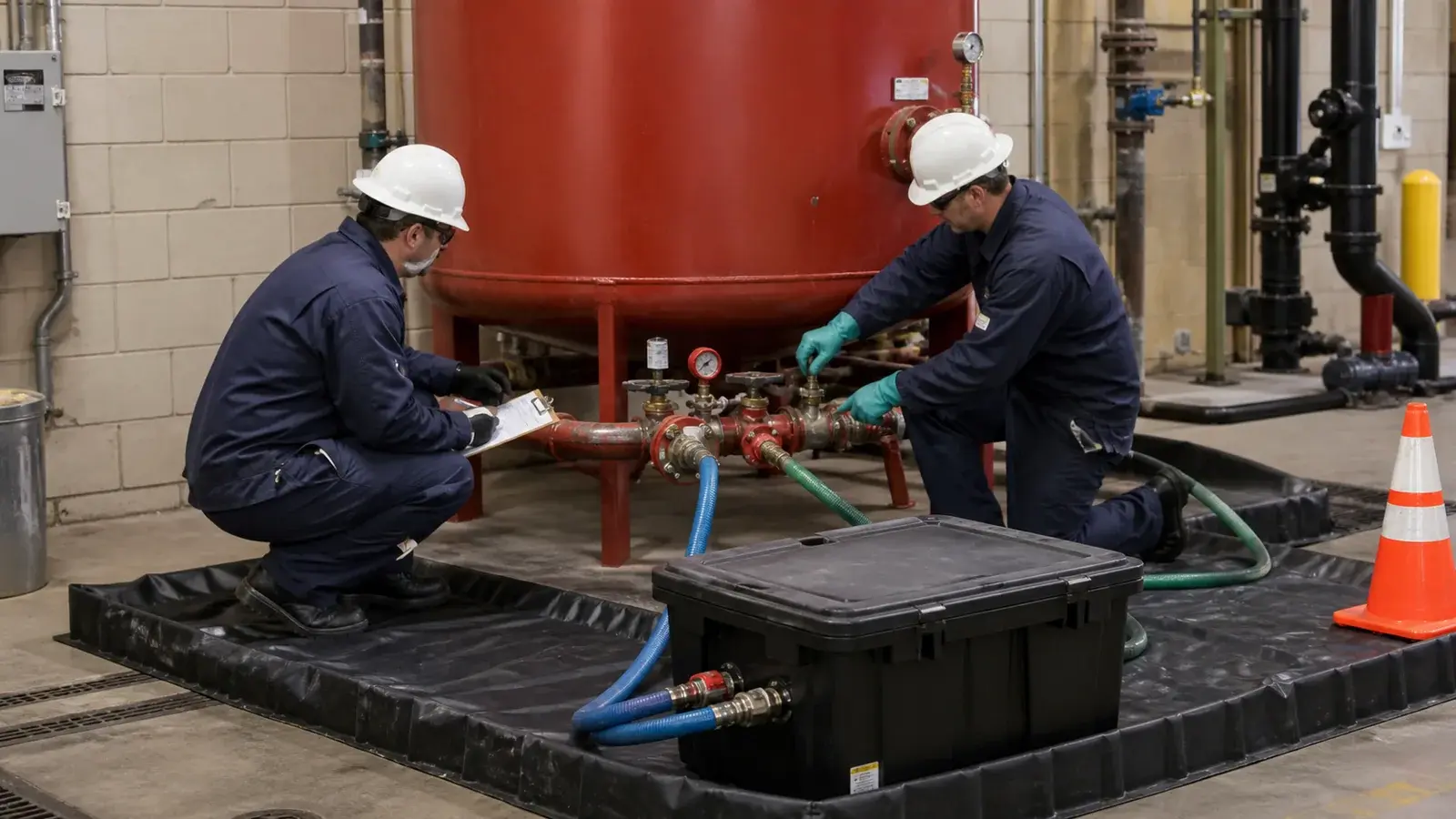
Drainage and Cleaning Share One Material Path
System layout, tank access, concentrate, residuals, rinsate, transfer connections, containment, collection, destination, and records should be planned as one connected scope before field work begins.
Frequently Asked Questions
Can Tank Contents and Rinsate Be Managed Together?
They can be addressed within one project, but separate material descriptions, containers, profiles, or receiving criteria may apply.
Can UES Certify That a Tank Is PFAS-Free?
No. Any sampling objective, analytical limit, acceptance criterion, or certification requirement must be specifically defined and technically supported.
Can Apparatus or Vehicle Tanks Be Included?
Yes. Provide the equipment type, tank configuration, product history, estimated contents, access, location, and desired outcome.
Define the Tank, Foam, and Cleaning Objective
Include system configuration, estimated volumes, access, planned next use, location, timing, drawings, and available testing.