
Hazardous Materials Recycling for Usable Chemicals and Recoverable Materials
Before sending an unused chemical or valuable material to disposal, United Environmental Solutions evaluates whether a practical recycling, reuse, recovery, reclamation, or return pathway may be available.
Projects are reviewed against the exact material, purity, contamination, packaging, quantity, condition, location, and current acceptance criteria.
Preserve Value When the Material and Market Support It
Unused solvents, acids, virgin chemicals, and precious-metal-bearing materials may have a different path from spent or contaminated waste. The distinction depends on composition, quality, quantity, packaging, demand, transportation economics, and outlet requirements.
UES compares the project information with viable recovery criteria before recommending a route.
From Drummed Chemicals to Bulk Industrial Inventory
- Unused solvents
- Unused acids and caustics
- Virgin or off-specification chemicals
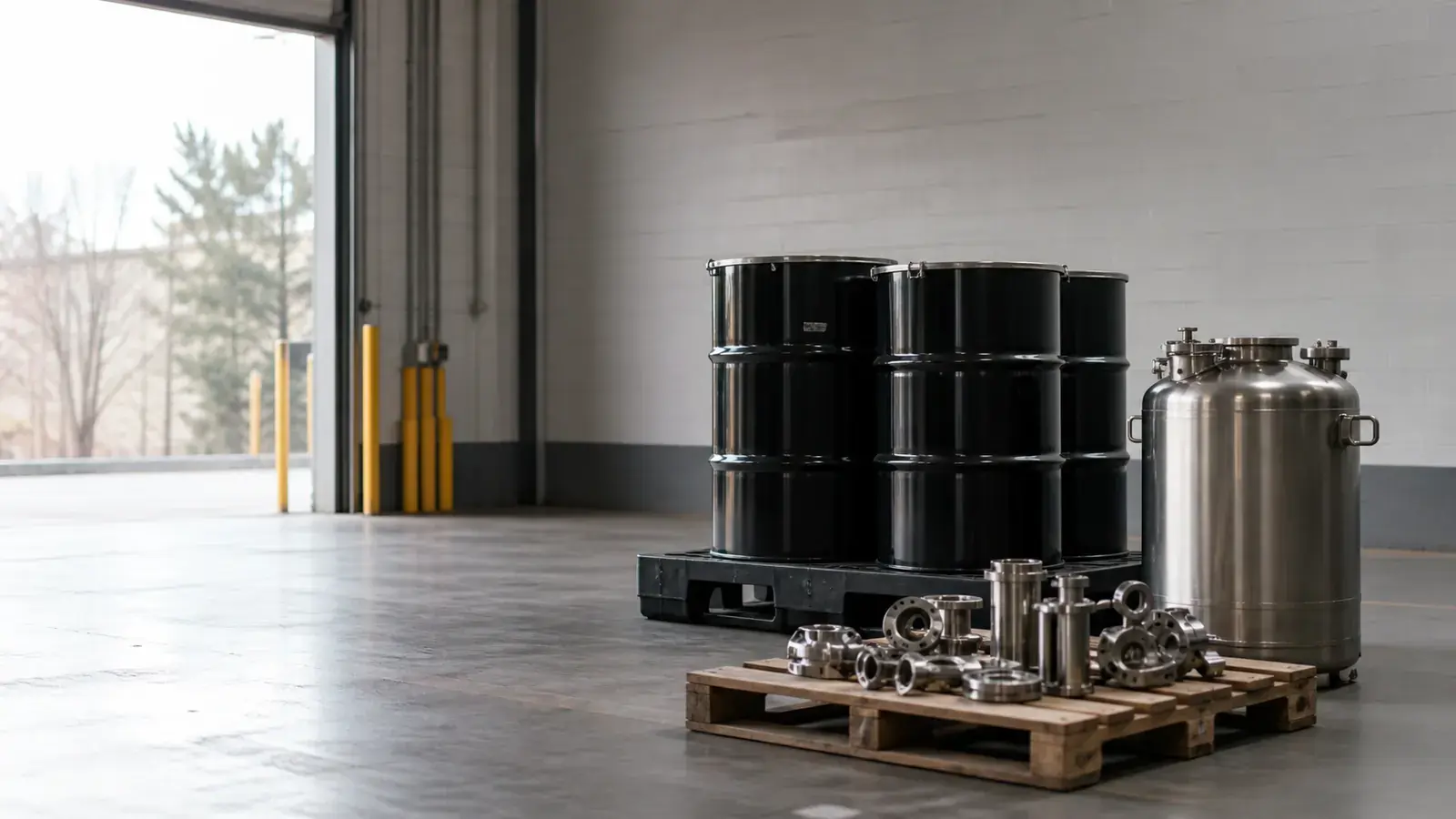
- Containerized chemicals in drums or totes
- Bulk liquid chemicals
- Precious-metal-bearing materials
- Manufacturing raw materials and surplus inventory
Submission does not guarantee recycling, reuse, recovery, rebate, credit, or commodity value.
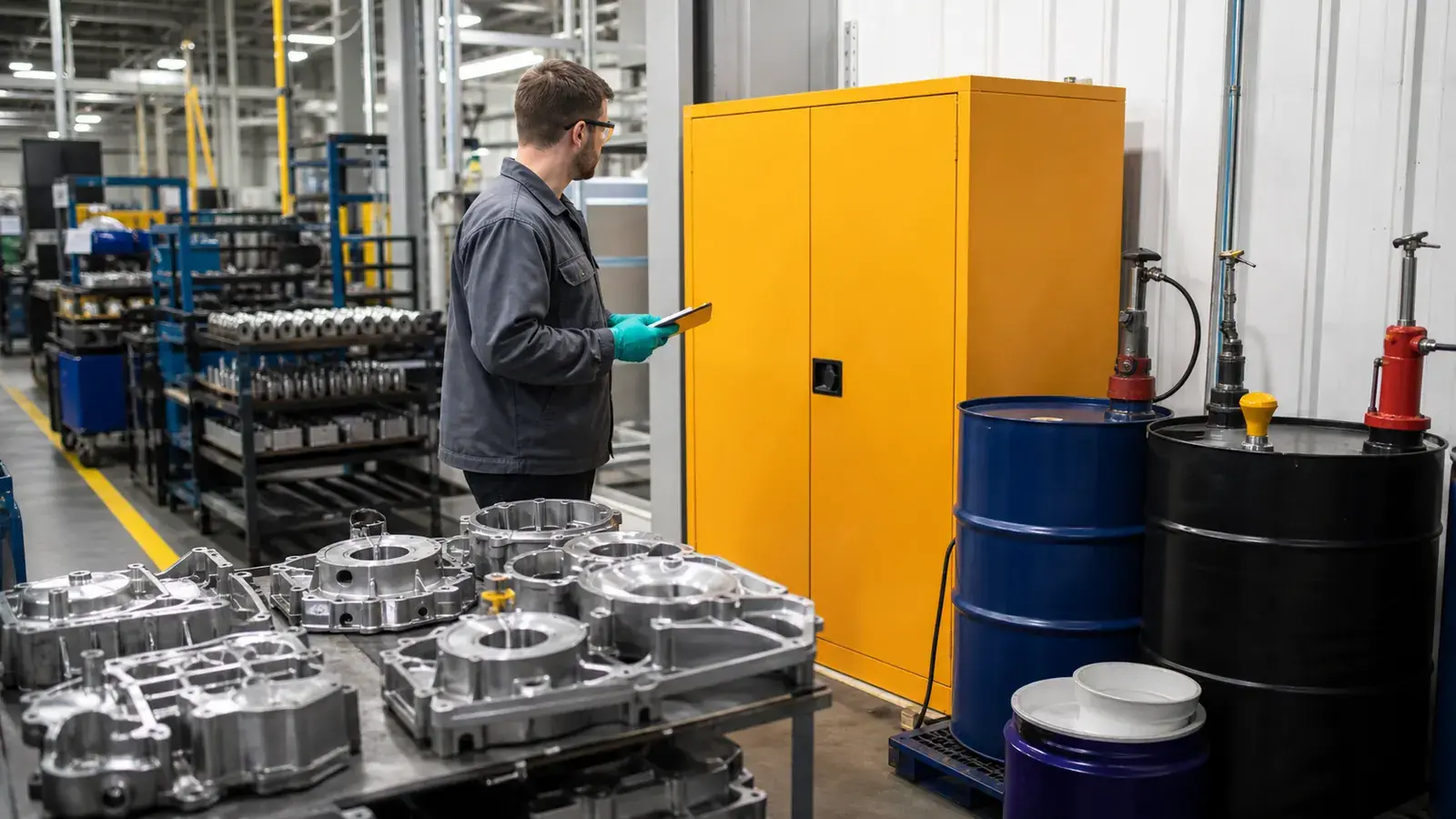
Recycling Begins with the Material Details
Material identity, contamination, quantity, packaging, location, and outlet criteria determine whether a recovery pathway is available.
Composition, Condition, Quantity, and Logistics All Matter
Provide product identity, manufacturer, concentration, purity, age, contamination history, quantity, container type, condition, location, and available SDS or analytical records. Photographs of labels and containers can help define the starting point.
If a recycling route is not viable, UES can review an appropriate disposal alternative as part of the same inquiry.
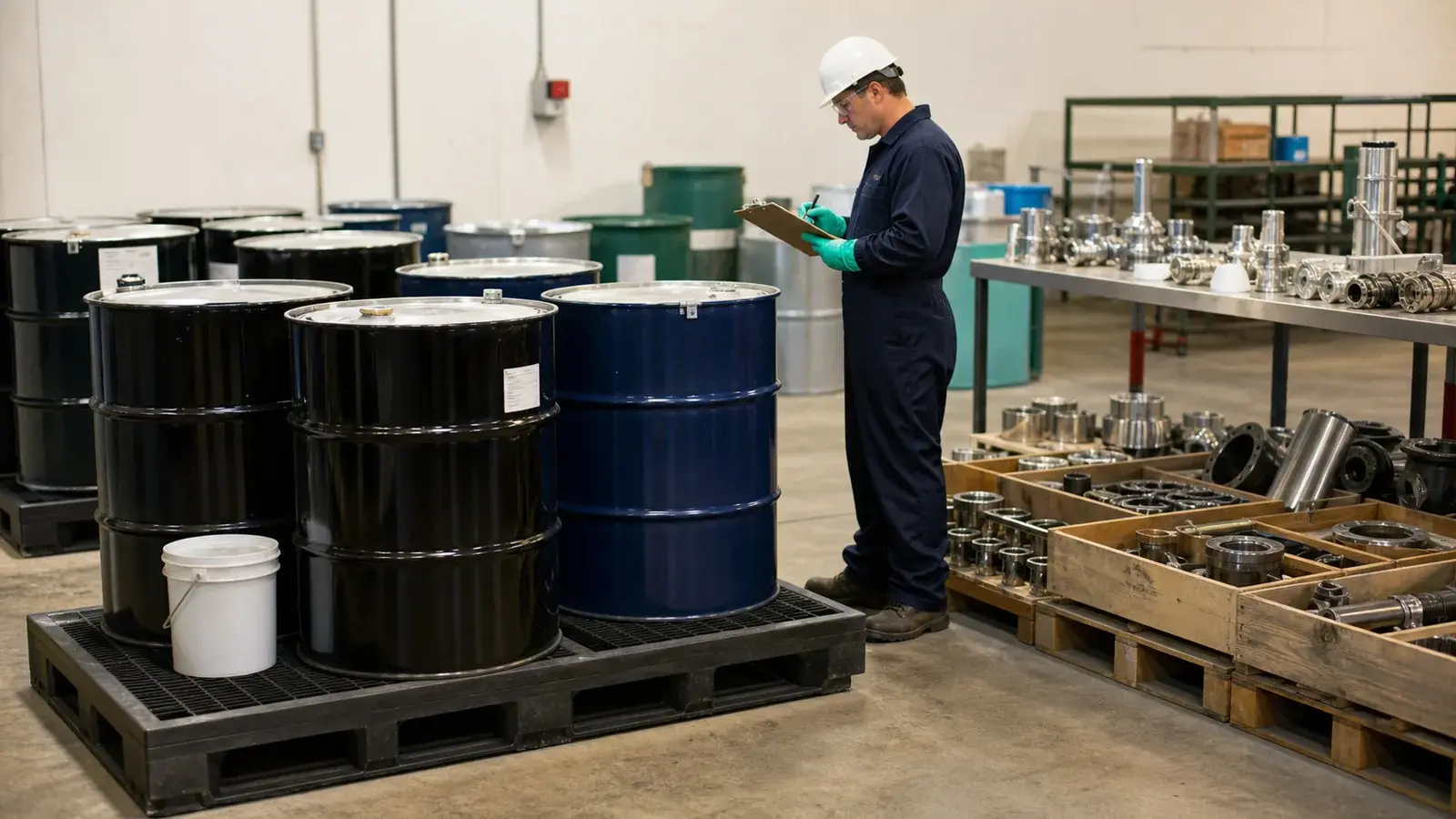
Recovery Starts with Usable Material Information
Material identity, contamination, concentration, quantity, packaging, and receiving criteria determine whether recovery is practical. Recycling is evaluated for the actual material rather than assumed from a broad category.
Frequently Asked Questions
Does Every Unused Chemical Have Recycling Value?
No. Demand, quality, contamination, quantity, packaging, transportation cost, and outlet criteria determine whether recovery is practical.
Can Bulk Chemicals Be Evaluated?
Yes. Include estimated volume, tank or container configuration, transfer access, product history, and available analysis.
Will We Receive a Credit for the Material?
No credit or rebate is assumed. Any value, cost, or commercial term must be confirmed for the specific project.
Evaluate the Material Before Defaulting to Disposal
Send the chemical identity, composition, purity, quantity, packaging, condition, location, and available records.