Prepare a Better Environmental Waste Project Request
A clear inventory and the records you already hold give the project team a practical starting point.
Use this page to organize what your team already knows. You do not need to complete a technical profile or guess at a regulatory classification before starting.
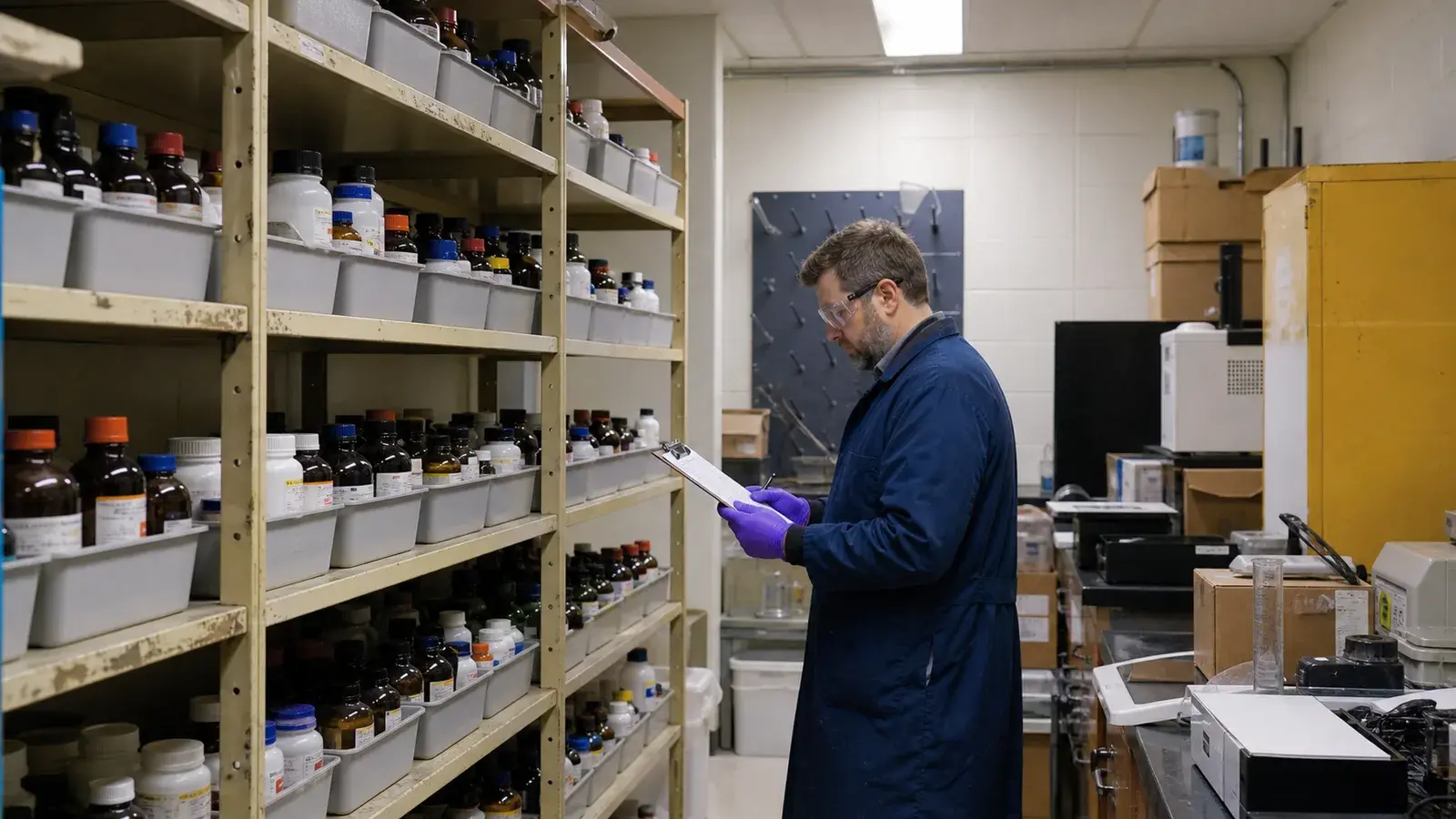
Build a Useful Material Inventory
When several materials are involved, create one inventory line per materially different product or waste. Include the name or description, estimated quantity, packaging, condition, and any document associated with that line.
Avoid combining everything into a single description such as “chemicals,” “waste oil,” “lab waste,” or “damaged product.” Those phrases identify a broad category, not a project.
Send What Exists, Even If It Is Not Perfect
Safety Data Sheet
An SDS can provide product identity, composition information, physical properties, hazards, and transportation information for the product as supplied. It may not fully describe material that is spent, mixed, contaminated, aged, diluted, or changed by a process.
Inventory
An inventory helps separate products, quantities, packaging, locations, conditions, and special requirements. A spreadsheet is often more useful than a paragraph when the project includes several items.
Product Specification or Technical Data
A product specification may provide composition, grade, concentration, or quality information that is not clear from the label alone.
Existing Profile or Manifest
Prior project records can show how the material was previously described and where it went. They are useful history, not automatic approval for a new project.
Analytical Report
Existing analysis may answer questions a product document cannot. Do not order new testing solely because a website suggests it. First determine what information the project or destination review actually requires.
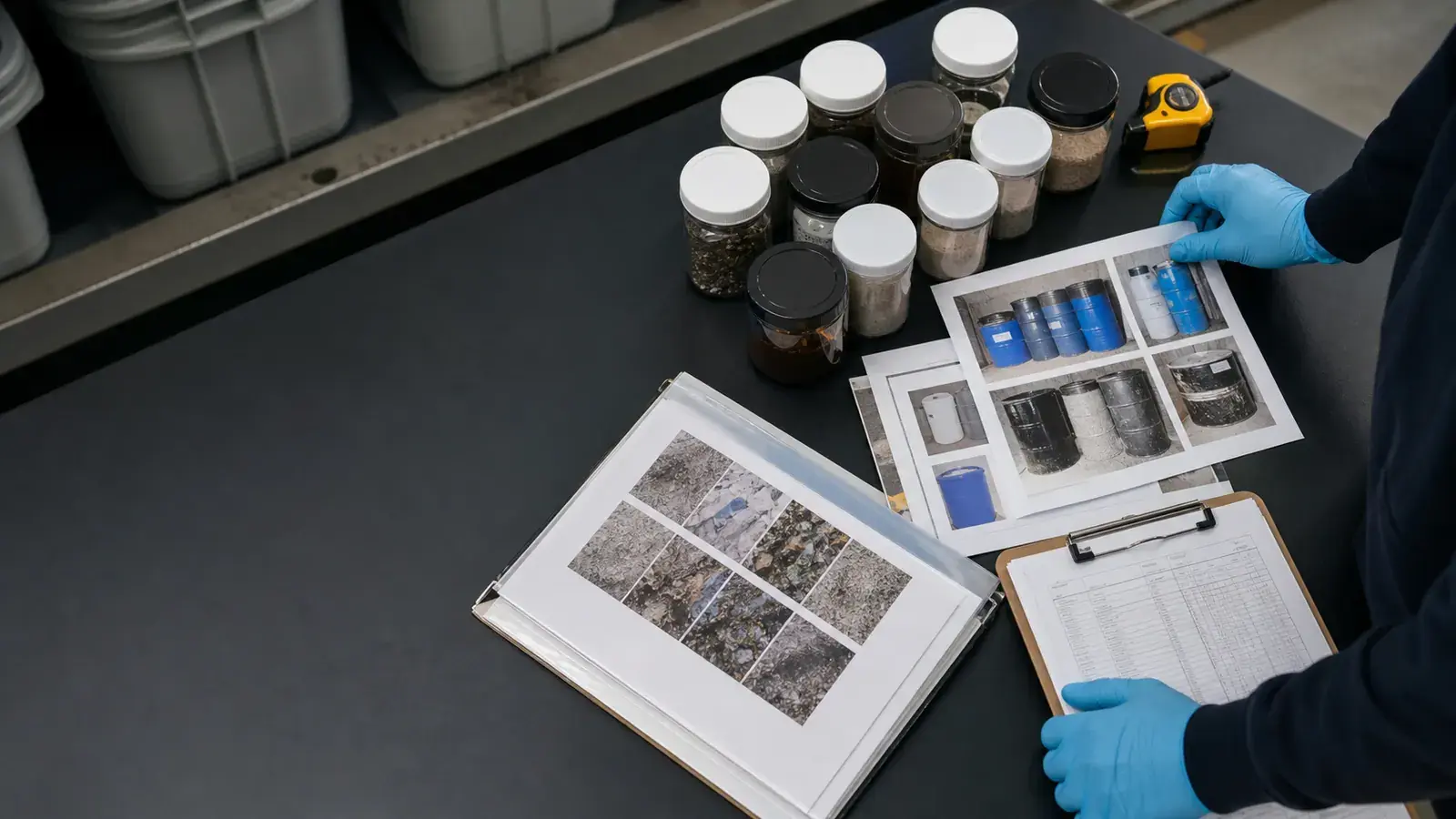
Photographs
Photographs can show labels, container type, visible condition, pallet configuration, and access context. Take them only through your organization's normal authorized procedures and without disturbing the material.
Better Inputs Create a Better Starting Point
Useful project information can reduce back-and-forth and help identify the right destination, equipment, service requirements, and records.
Describe the Container Without Guessing at Its Specification
Drums and Barrels
Customers often use both words for similar cylindrical containers. Note the estimated capacity, material of construction, removable or fixed top, fill level, count, visible condition, and any readable markings.
Totes, Cubes, and Intermediate Bulk Containers
These terms may refer to similar larger containers used for liquids or solids. Record the stated capacity, construction, count, fill level, visible condition, and whether the valve, cage, pallet base, or closure appears damaged. Do not operate or test the container to complete an inquiry.
Pails and Small Containers
Record the approximate capacity, count, product or material, packaging condition, and whether the items are loose, boxed, or palletized.
Pallets and Packaged Loads
Provide the pallet count, estimated unit or case count, product type, packaging, condition, and any lot, date, or brand-control requirements.
Tanks and Bulk Configurations
Provide the equipment type as your organization understands it, estimated capacity and current volume, material, location, access information, and any known physical-transfer requirements. Tank, pump-out, or field-service capability requires separate confirmation.
The website does not select packaging, authorize reuse of a container, or recommend an overpack or transfer method. Those decisions require qualified project-specific review.
Information to Gather for a PFAS or AFFF Request
- Product or formulation name
- Manufacturer and approximate age, if known
- Whether the material is concentrate, solution, rinsate, debris, or another stream
- Estimated quantity
- Tank, bladder, drum, tote, pail, pallet, or other configuration
- Project city and state
- SDS, inventory, analysis, or product specification
- Broader contractor or facility project schedule
- Whether the material is on hand or part of a future bid
- Required customer, facility, or contract documentation
Do not assume that every formulation contains the same PFAS, that every PFAS-bearing stream has the same classification, or that one disposition method applies universally.
Information to Gather for a Product Destruction Request
- Product and packaging description
- Unit, case, pallet, weight, or volume estimate
- Reason the product cannot be sold
- Location and timing
- Product condition
- Lot or inventory reconciliation requirements
- Brand-security requirements
- Certificate, witness, photograph, video, or method expectations
- SDS, inventory, recall notice, customer specification, or photographs
Documentation and observation options must be confirmed before processing.
Information to Gather When a Load Cannot Be Delivered
- Current city and state
- Material or product
- Estimated weight, pallet count, container count, or volume
- Packaging and load configuration
- Known rejection, damage, or temperature issue
- Whether the load remains on the trailer
- Authorized customer contact
- Bill of lading, inventory, rejection notice, SDS, product information, or photographs
- Operational timing
Do not open, move, offload, sample, or alter material based on website guidance.
Go to the Source for Current Government Information
These links are provided as a starting point. Government pages, guidance, and requirements can change. Check the current source and the applicable state program for a specific project.
PFAS
- EPA PFAS Information
- EPA PFAS Explained
- EPA 2026 Interim Guidance on PFAS Destruction and Disposal
- EPA State PFAS Resources
Hazardous Waste and Manifests
Federal and State Contacts
Hazardous Materials Transportation
Official-link review date: 26 August 2026
Before You Submit
Do I Need an SDS?
An SDS is helpful when available, but the initial request may be submitted without one. Additional material information or analysis may be requested during review.
Do I Need an Exact Quantity?
No. A defensible estimate is enough to start. State whether it is based on container count, rated capacity, fill level, unit count, pallet count, weight, or another method.
Should We Combine Materials Before Requesting a Quote?
No consolidation instruction is provided by this website. Keep materials in their current authorized condition and have qualified personnel determine whether any physical handling or consolidation is appropriate.
Can United Environmental Solutions Answer a Regulatory Question?
United Environmental Solutions can help identify the project information a project or destination review may request. The website does not provide legal or regulatory advice. Use current official sources and appropriate professional advisers for a specific determination.
What If We Do Not Know What the Material Is?
Begin with records, process history, labels visible without disturbing the container, and information from authorized personnel. Unknown or damaged material requires separate evaluation, and acceptance is not assumed.
Ready to Send Your Project File?
Use the quote form to share your inventory and existing records. Clearly identify estimates and unknowns.