Hazardous Waste Disposal with the Details Connected from the Start
United Environmental Solutions supports commercial hazardous waste projects involving liquids, solids, sludges, corrosives, flammables, reactives, toxic materials, process waste, and contaminated debris.
Material information, generator status, packaging, transportation, receiving criteria, timing, and records are reviewed together before the work is approved.
Process Knowledge and Material Data Drive the Scope
A product name alone may not establish the waste classification or disposal requirements. The generating process, composition, concentration, physical state, contaminants, analytical data, quantity, and container condition can all matter.
UES helps organize the information needed to develop a project-specific disposal plan without asking the customer to make unsupported assumptions.
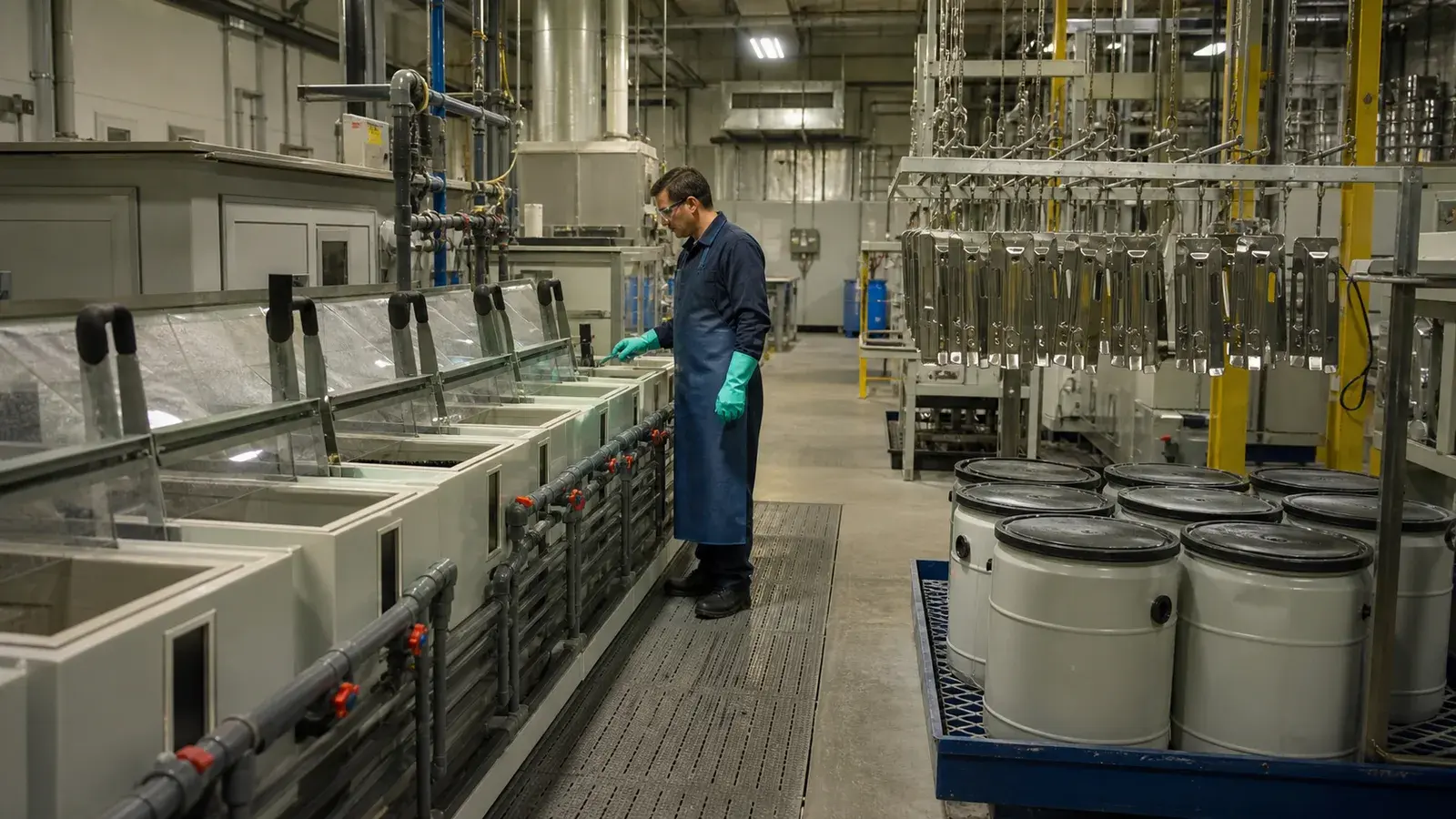
Classification and Acceptance Come Before Movement
Material information, supporting records, packaging, quantity, and location help determine the next questions and potential destinations.
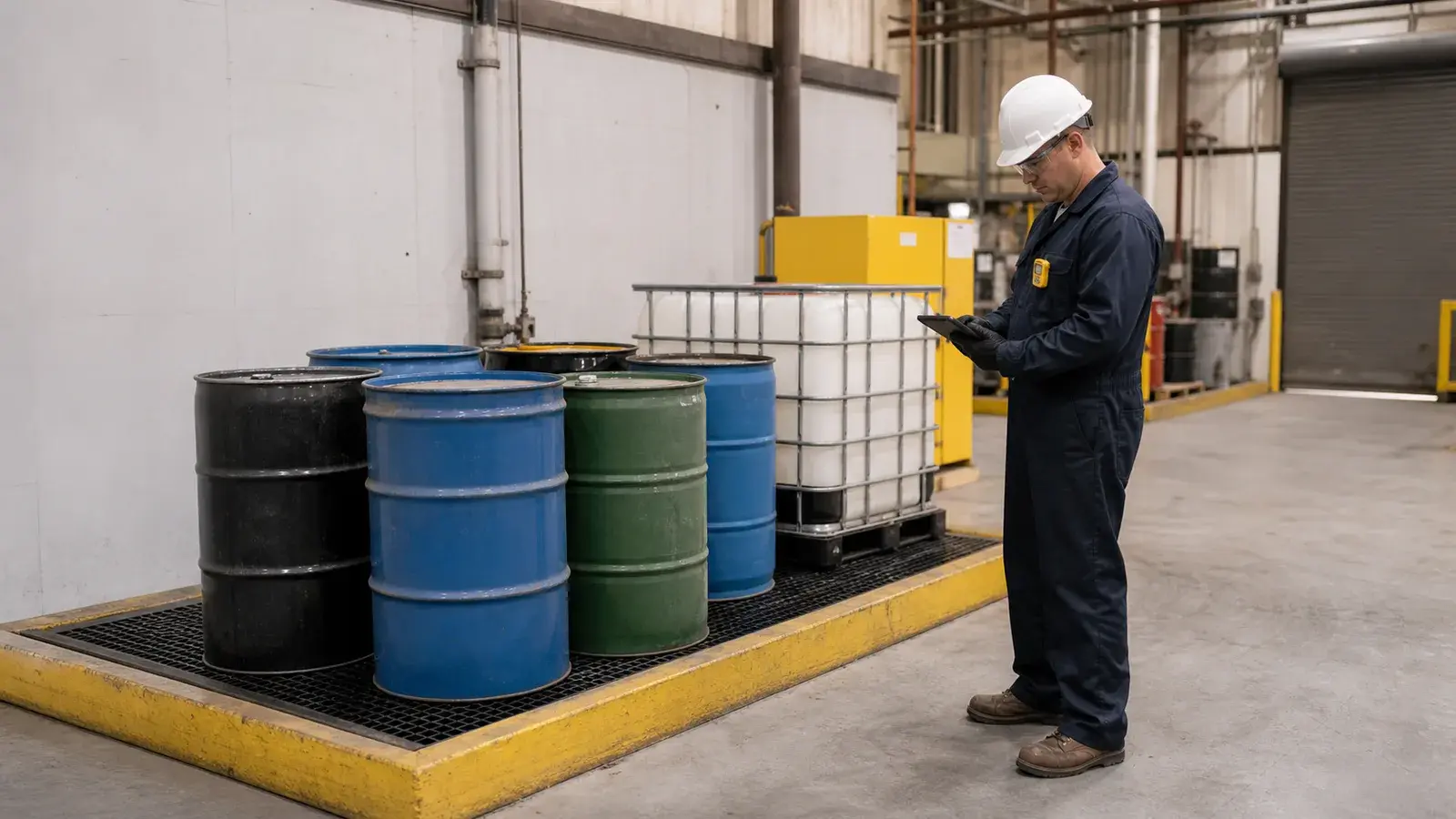
Packaged and Bulk Hazardous Waste
- Flammable liquids, solids, and sludges
- Corrosive acids and caustics
- Reactive materials requiring controlled review
- Toxic waste and contaminated materials
- Spent solvents and process chemicals
- Off-specification chemical products
- Contaminated absorbents, debris, soils, and PPE
- Drums, totes, pails, pallets, tanks, and bulk loads
No waste code, classification, destination, or acceptance is assigned from a generic website description.
Build the Plan Before Material Moves
Provide the generating process, material identity, quantity, packaging, condition, location, timing, and available SDS files, profiles, manifests, analytical data, or photographs. UES identifies additional information needed for profiling, transportation, receiving, and documentation.
Project approval remains subject to the actual material and applicable requirements.
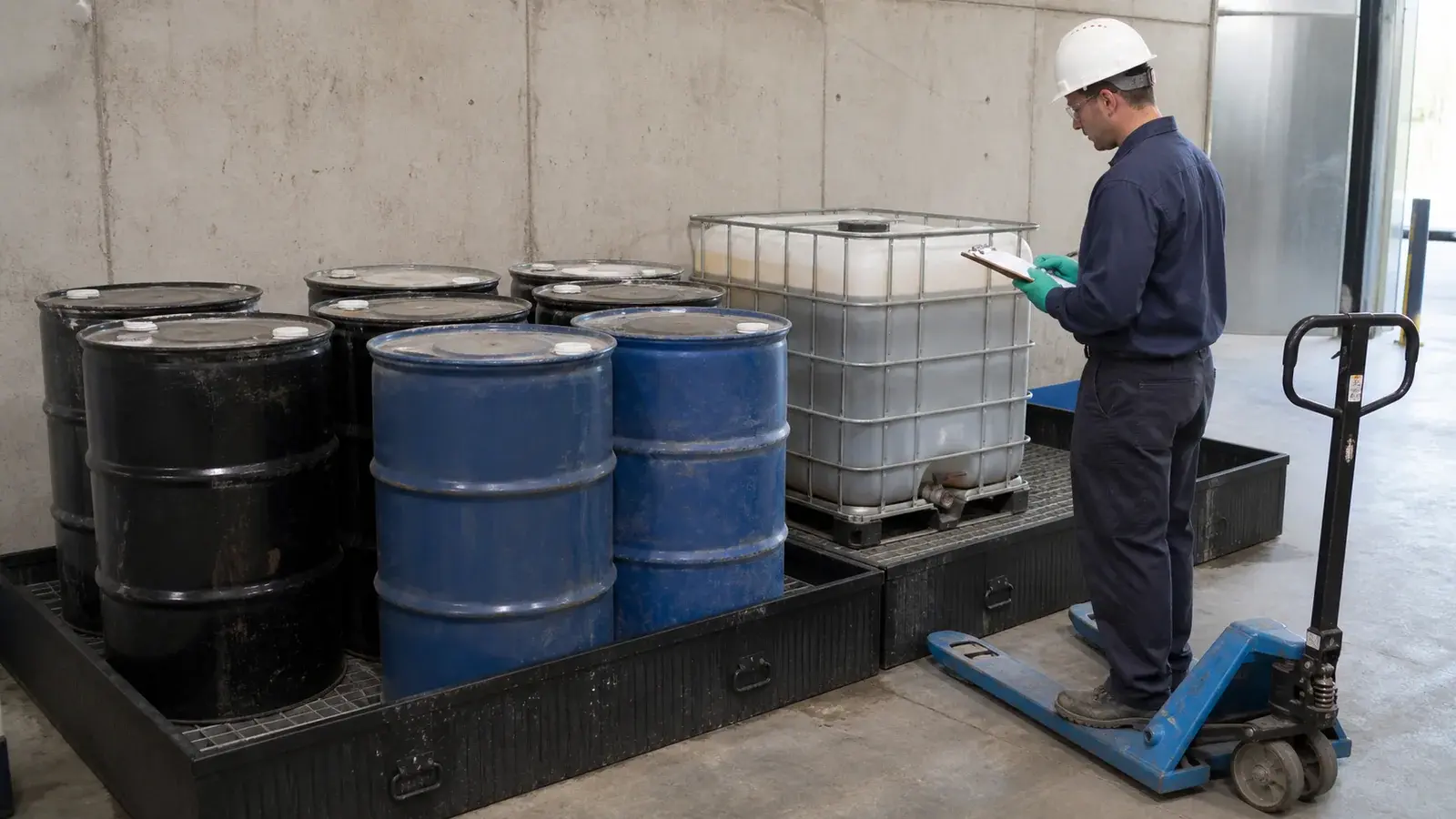
Container Condition Is Part of the Waste Profile
The material description is only one part of the review. Container type, integrity, access, quantity, location, and available records help determine the information gaps, potential destinations, and transportation requirements.
Frequently Asked Questions
Can UES Determine Whether My Material Is Hazardous?
UES can review the available information and identify what else may be needed. Final generator determinations and project requirements depend on the actual waste stream and applicable rules.
Can You Handle Both Drums and Bulk Waste?
Yes, when the material, packaging, transfer requirements, transportation, and receiving criteria support an approved scope.
What Records Should I Send?
Send existing SDS files, waste profiles, analytical results, process descriptions, manifests, inventories, and clear container photographs when available.
Build the Disposal Plan Around the Actual Waste Stream
Send the process, material, quantity, packaging, condition, location, timing, and supporting records.